





The Artist Collection by Marlene Lufen
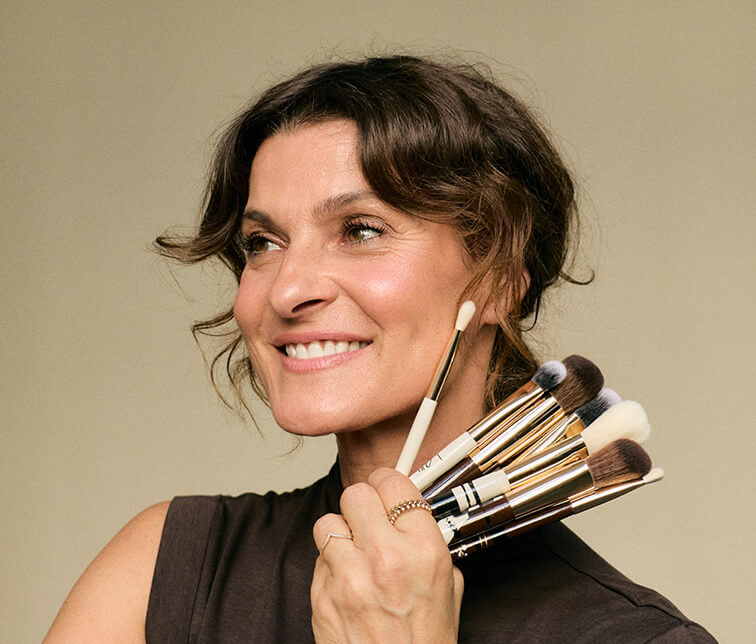
Marlene Lufen loves fine craftsmanship. Whether at home, at work, or when applying Make-up. She has now designed her own Brushes for JACKS: hand-painted in her favorite shade, chocolate brown.
Read more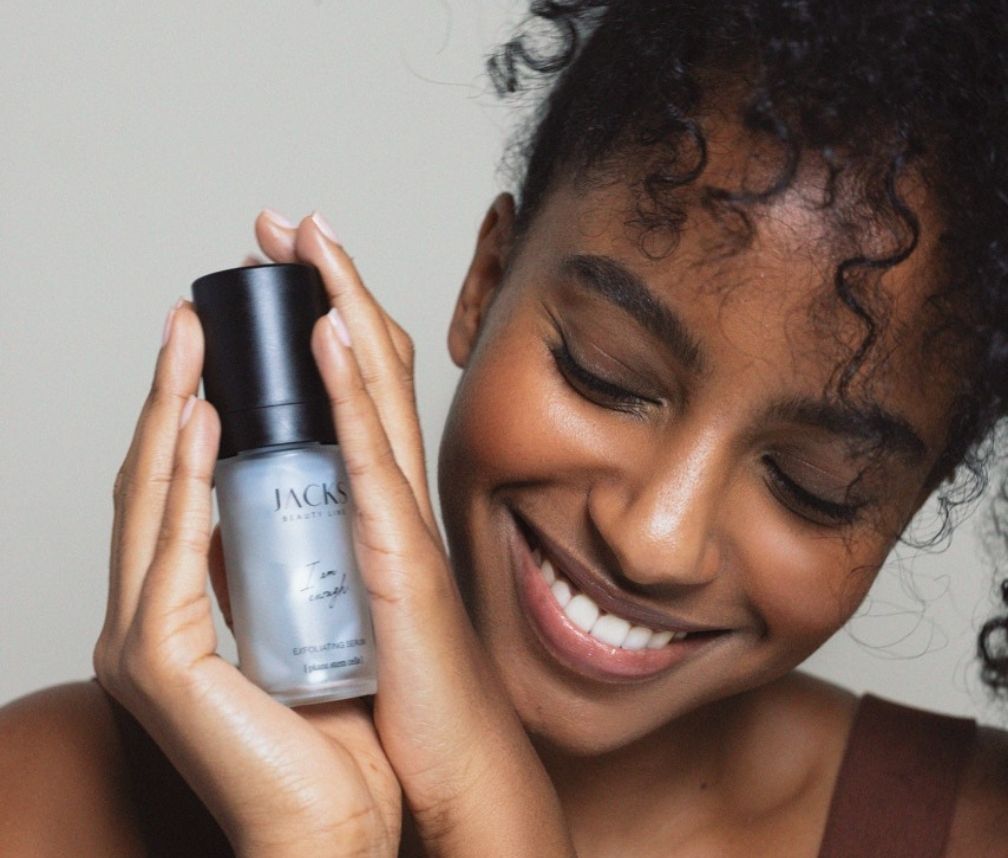
Reading time approx. 5-7 minutes
AHA (Alpha Hydroxy Acid) is water-soluble and works on the skin's surface, while BHA (Beta Hydroxy Acid) is oil-soluble and penetrates deep into the pores. That's why AHA is especially suitable for dry complexion and pigmentation, while BHA helps with blackheads and blemished skin. So the most important question isn't: What is better? But: What does my skin need?
by Julia Döll – last updated on 29. June 2026
AHA stands for alpha hydroxy acid. These are usually water-soluble fruit acids like glycolic acid or lactic acid that work on the skin’s surface to dissolve dead skin cells.
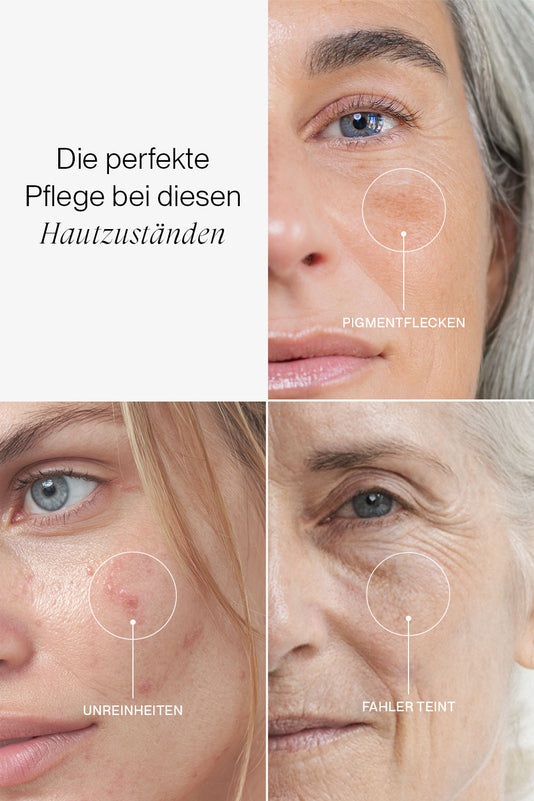
This can make the skin appear smoother, more even, and fresher. At the same time, AHAs support the natural skin renewal process and can help visually improve a dull complexion, pigmentation, or fine lines.
Typical AHA acids include:
AHA is especially suitable for:
BHA stands for beta hydroxy acid. In skincare, it almost always refers to salicylic acid.
Unlike AHA, BHA is oil-soluble. This allows the acid to penetrate deeper into the pores and dissolve excess sebum as well as dead skin cells.
That’s exactly why BHA is often used for blemished skin. The acid can help clear clogged pores and make the skin appearance look clearer.
BHA is especially suitable for:
Additionally, salicylic acid has anti-inflammatory properties, which is why it is often an ingredient in products for blemished skin or acne. You can read more about this in the respective articles.
The main difference lies in solubility, which results in different effect profiles and areas of use.
Similarities
Both are chemical peels and work in the same way: they dissolve the bonds between dead skin cells instead of removing them through friction like mechanical peels. Both AHA and BHA stimulate natural cell renewal, refine the skin texture, and create a more radiant, even skin appearance.
Differences at a glance
AHA:
BHA:
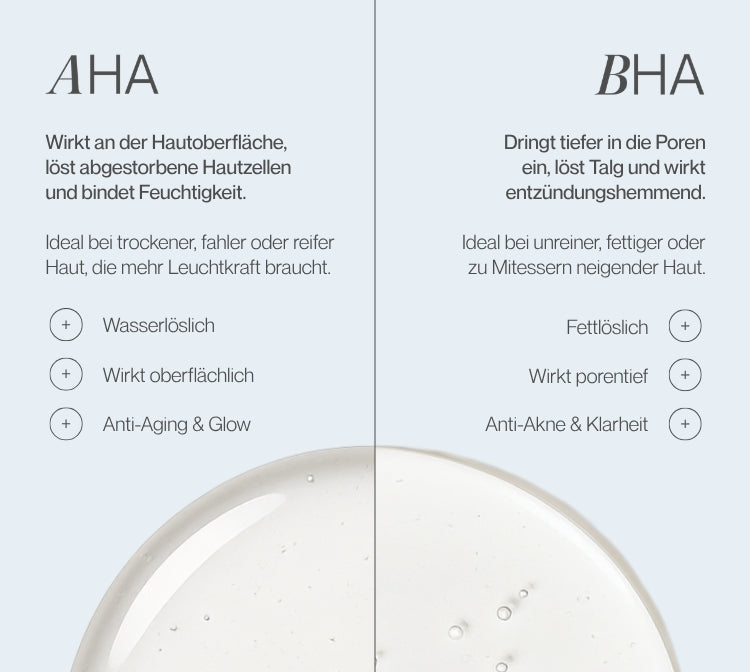
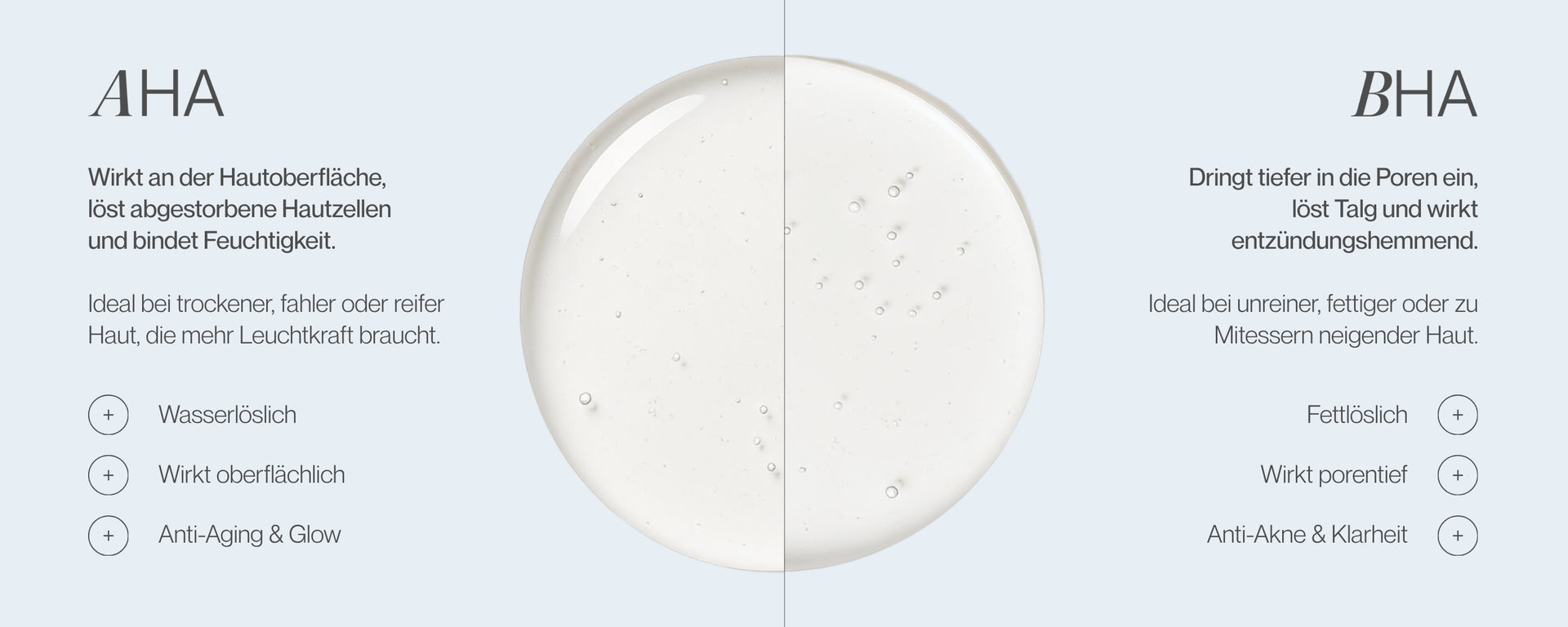
Which acid is right mainly depends on your skin type and skin problem.
AHA is the better choice for:
BHA is the better choice for:
For sensitive skin or a weakened skin barrier, many people don’t tolerate AHA or BHA well. PHA acids (polyhydroxy acids) work similarly exfoliating, are milder, and can additionally bind moisture.
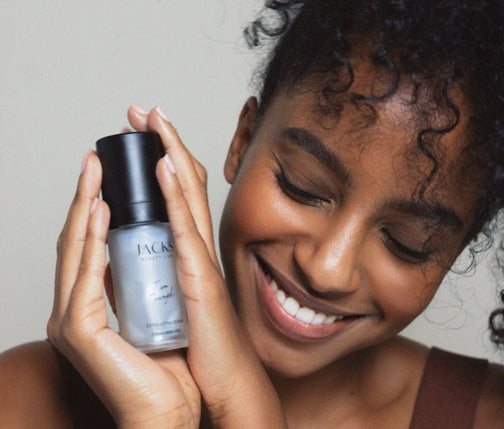
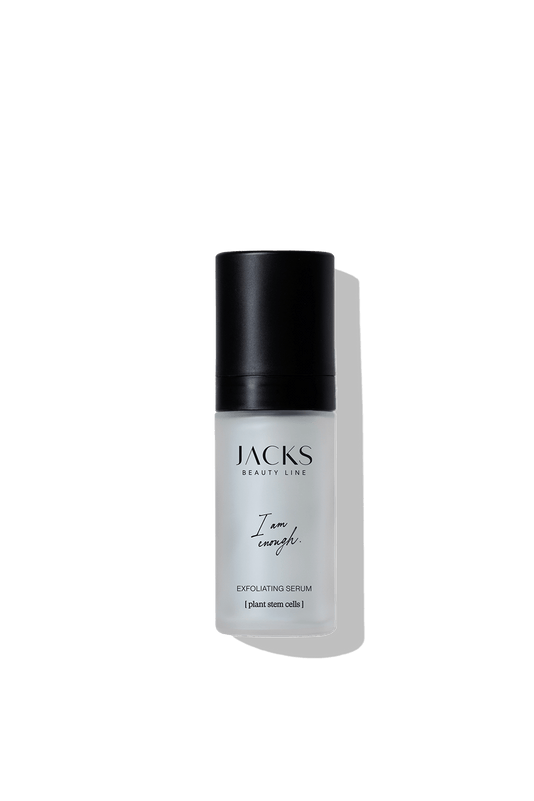
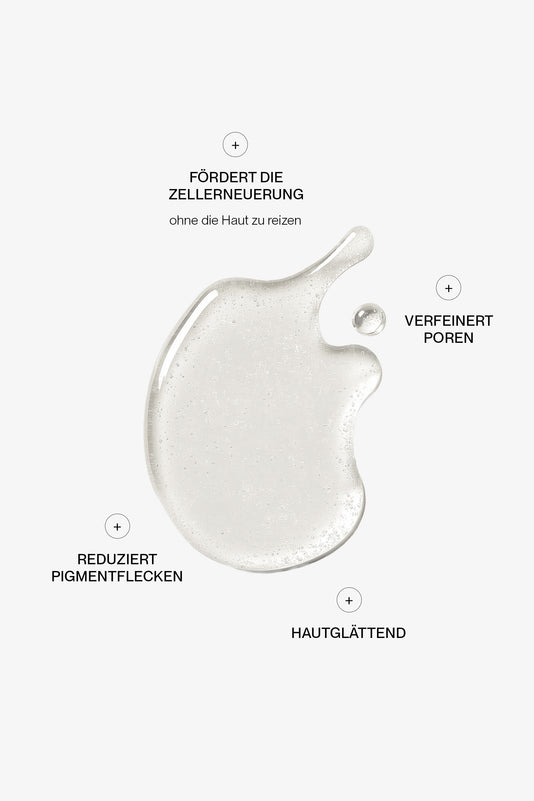
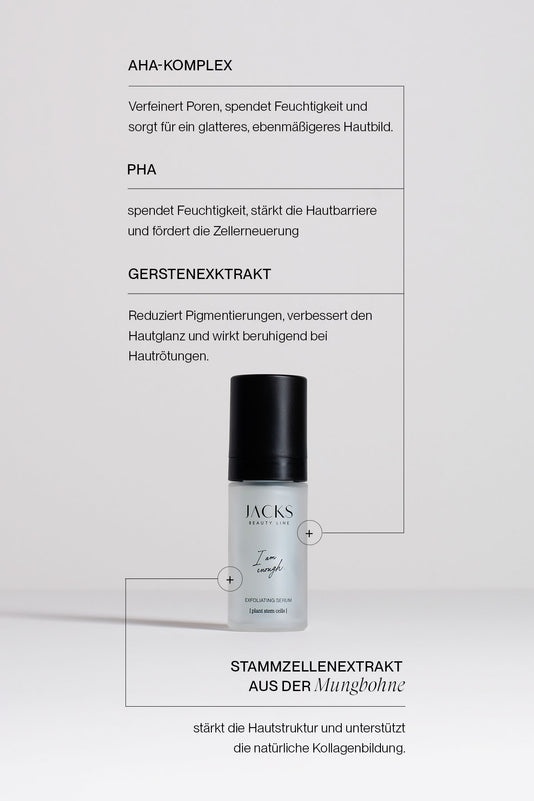
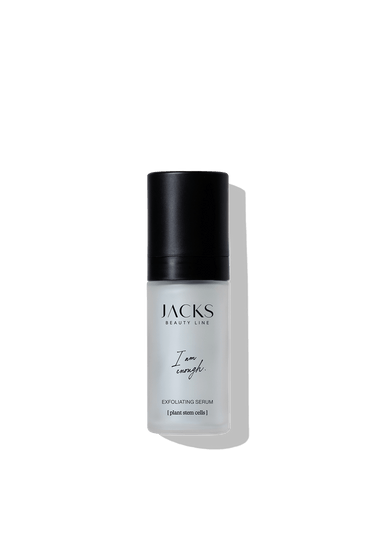
If you're looking for an AHA serum that's also suitable for dry or sensitive skin, the combination of AHA and PHA offers a gentler alternative to pure AHA products. Our Exfoliating Serum relies on a low-dose AHA complex (2%) made from citric acid, lactic acid, and tartaric acid, combined with gluconolactone (7%), a PHA acid that strengthens the skin barrier and binds moisture instead of stripping it away.
In a 12-week consumer study, 89% of participants confirmed a more even complexion, and 74% noticed smoother skin texture after just four applications.
For oily or heavily blemished skin that specifically needs BHA effects, this serum is not the first choice. However, if you struggle with pigmentation, dull complexion, or early skin aging while prioritizing tolerance, you'll find an effective solution here.
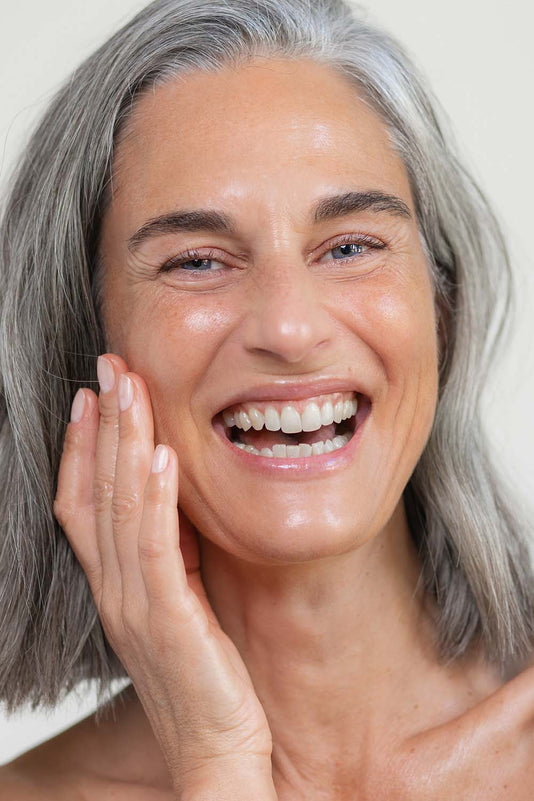


The combination of AHA and BHA is basically possible. This way, both the skin surface and the pores can be specifically cared for. If you are specifically looking for an AHA-BHA serum, you will usually find a solution for impure or oily skin, where compatibility deserves special attention.
It is important to start slowly because it is always worth observing how your skin reacts first.
If you are just starting to try acids:
Because especially sensitive skin often reacts to too many new active ingredients at once with irritation.
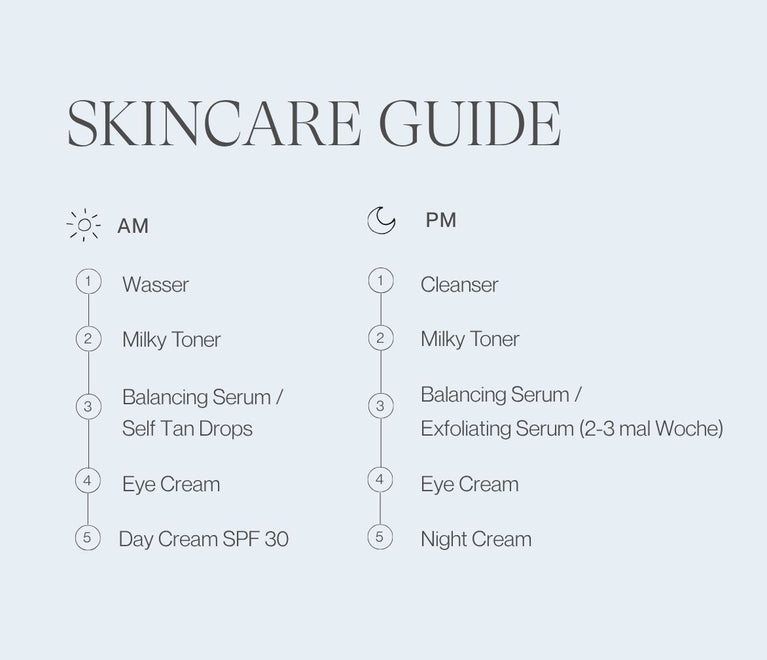
Chemical peels always belong in the evening routine. The acid serum or peel is applied after the Toner, so after cleansing and the first moisturizing step, and before the nourishing finishing products like eye care and night cream.
A typical evening routine with a chemical peel looks like this:
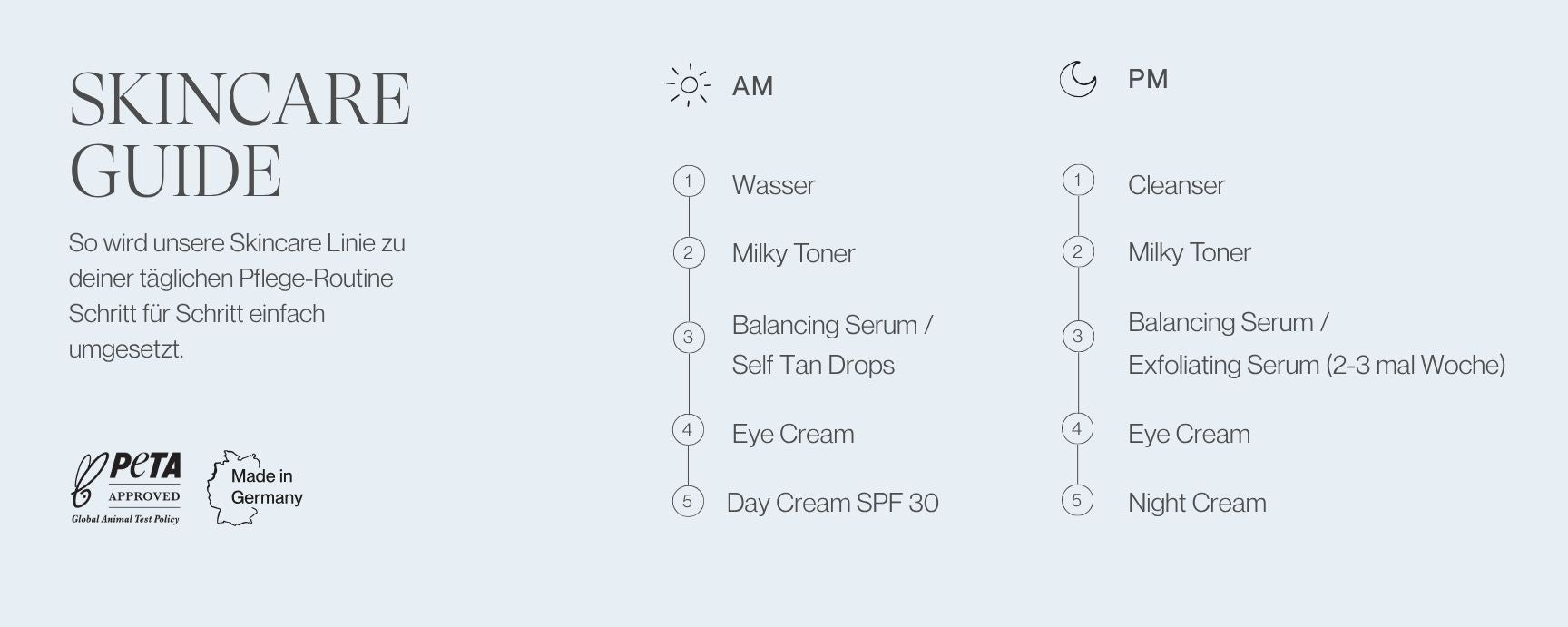
Especially at the beginning, start with once or twice a week, gradually increase the frequency, and observe how your skin reacts. Multiple intensive active ingredients should not be introduced at the same time. Be particularly careful when combining with retinol, retinal, or high-dose vitamin C, as too many active ingredients at once can promote irritation.
Not every combination is automatically problematic; the formulation of each product is crucial. If you combine different products, you should still introduce new active ingredients one at a time and monitor your skin’s reaction.
After using chemical peels, the skin can become more sensitive to UV radiation.
Therefore, especially after using peels, but actually as a general rule:
And very importantly: sunscreen should be applied every morning as the last step of your Skincare routine, so it won’t be rubbed off afterward. We also recommend waiting 10 minutes after applying our Day Cream before starting with Make-up, so the SPF can absorb well.
Consistent UV protection helps prevent pigmentation and maintain the results of your peel application in the long term.
A slight tingling right after application can be completely normal.
Warning signs, however, are:
In this case, you should definitely reduce the application or even pause it temporarily. However, it might be worth checking later to see if the effect is still as strong.
With rosacea or neurodermatitis, special care is needed.
Since the skin barrier is often already weakened, acids can cause irritation more quickly. Milder alternatives like PHA acids are often better tolerated.
When in doubt, we always recommend consulting your dermatologist.
AHA is generally considered well-studied at low concentrations, even during pregnancy, and is usually regarded as safe.
However, with BHA, or salicylic acid, you should always consult your treating doctor before using higher concentrations, just to be safe.
Which acid suits you depends on your skin. If you struggle with dry complexion, pigmentation, or early fine lines, AHA is usually a good choice. If you tend to have blackheads, clogged pores, or oily skin, you should keep an eye on BHA. And if you react sensitively to acids, PHA is often the gentler alternative.
The most important thing is to start slowly and focus on the needs of your own skin.
The key points summarized:
AHA stands for alpha hydroxy acid. This includes fruit acids like glycolic or lactic acid, which help dissolve dead skin cells on the skin's surface.
BHA stands for beta hydroxy acid. In skincare, this usually refers to salicylic acid, which is oil-soluble and can penetrate deep into the pores.
That depends on your skin type and the desired result. AHA is often suitable for dryness and pigmentation, while BHA is more for blemishes and blackheads.
To start, one to two applications per week are enough. Afterwards, you can slowly increase the frequency depending on how well you tolerate it.
A peel removes dead skin cells and supports the natural skin renewal. This can make the skin appear smoother and more even.
Yes, basically yes. However, both acids should be introduced slowly and not added to the routine at the same time.
PHA (polyhydroxy acid) is a milder acid group with a similar exfoliating effect as AHA and BHA. The main difference: PHA molecules are larger and penetrate the skin less deeply, making them much more skin-friendly. Additionally, PHA acids can bind moisture, which AHA and BHA hardly achieve. That’s why PHA is especially suitable for sensitive skin, dry skin, and weakened skin barriers.
Basically at any adult age. From your mid-20s, natural cell renewal slows down, so regular exfoliation becomes increasingly beneficial. From 40 onwards, AHA peels are especially suitable because they stimulate cell renewal and improve moisture balance.
Discover our Skincare
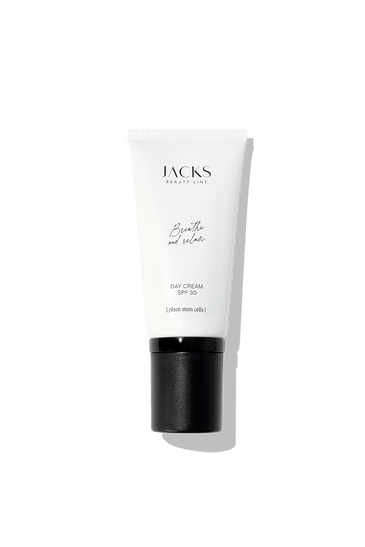
Marlene Lufen loves fine craftsmanship. Whether at home, at work, or when applying Make-up. She has now designed her own Brushes for JACKS: hand-painted in her favorite shade, chocolate brown.
Read more
Look makeup-free even though you’re wearing Make-up: Here’s how to achieve the no-makeup look step by step.
Read more
Why did the new shade expansion take two years? Rim Zemuye explains how foundation, concealer, and Cream Blush for darker skin tones came about.
Read more
Ordered the wrong shade, and now the product sits unused in your bathroom? It doesn’t have to be that way: our consultation options before and after your purchase help you...
Read more
Sun, heat, humidity: In summer, your Make-up needs lightweight textures. Find out how to keep your look fresh even at 30 degrees.
Read more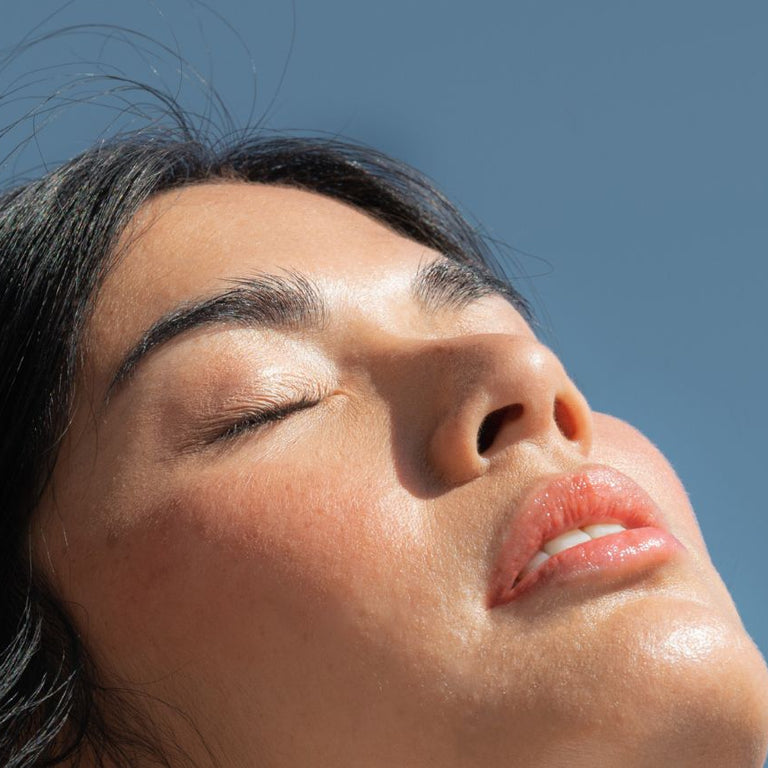
UV rays, heat, and sweat put particular stress on your skin in summer. Here’s how to build the right skincare routine.
Read more
Cream Blush is creamy with a glowy finish, Powder Blush is powdery and long-lasting. Find out which blush suits your skin type and why combining both often delivers the best...
Read more
Discover how to apply mascara correctly! With step-by-step instructions, tips on color, ingredients & removing makeup, you can achieve the perfect eye look without clumping or smudging.
Read more