






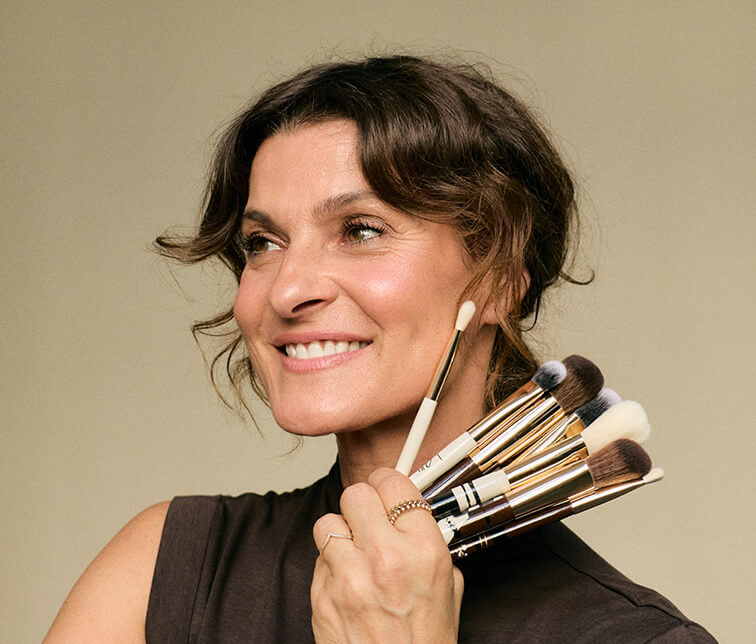
The Artist Collection by Marlene Lufen
Marlene Lufen loves fine craftsmanship. Whether at home, at work, or when applying Make-up. She has now designed her own Brushes for JACKS: hand-painted in her favorite shade, chocolate brown.
Read more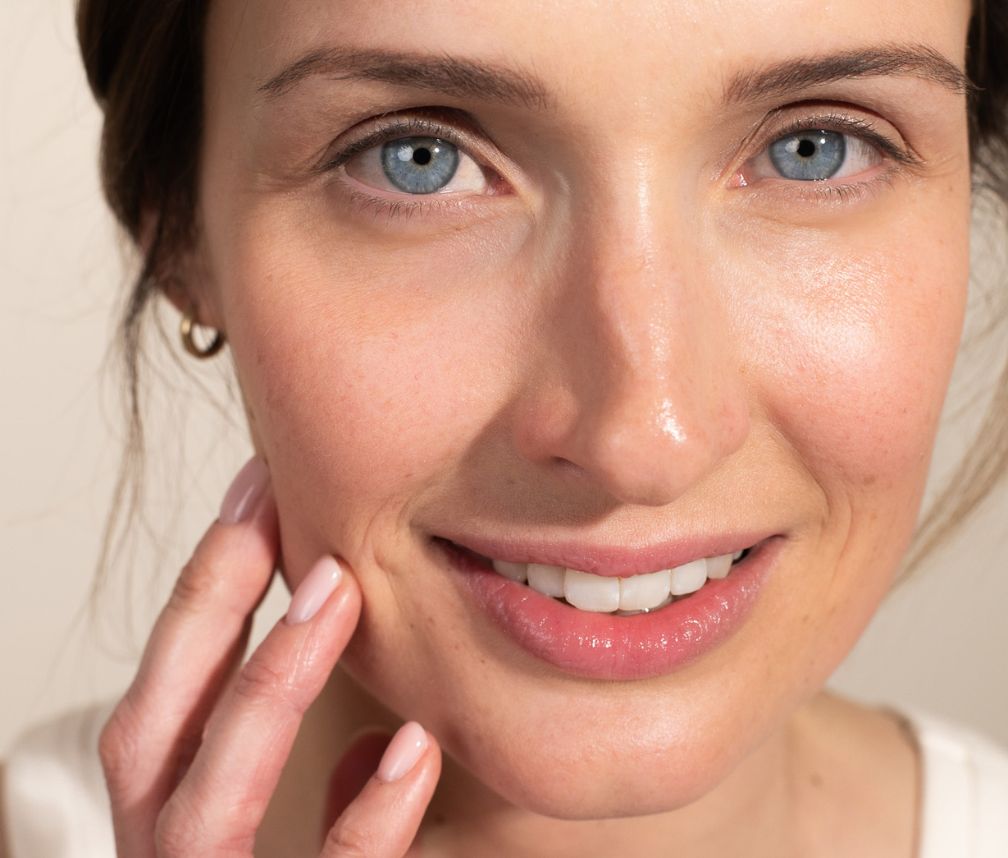
Reading time approx. 4-5 minutes
Do you know the feeling when your skin feels tight shortly after washing or remains dry despite using cream? Dry skin is not only visually bothersome but also uncomfortable. The right care strengthens your skin barrier and gives it back the moisture it needs. Our favorites? We'll reveal them to you here!
by Julia Döll – 21. August 2025
Dry skin is a skin type and therefore something permanent. Your skin stores too few lipids, that is fats, and as a result cannot properly retain moisture. Typical characteristics are feelings of tightness, rough patches, and sometimes itching. It is different with dehydrated skin – which can occur with any skin type. Here, water is mainly lacking – the skin often looks dull and tired but can also be oily at the same time.
In short:
Dry skin = lack of fat
Dehydrated skin = lack of water
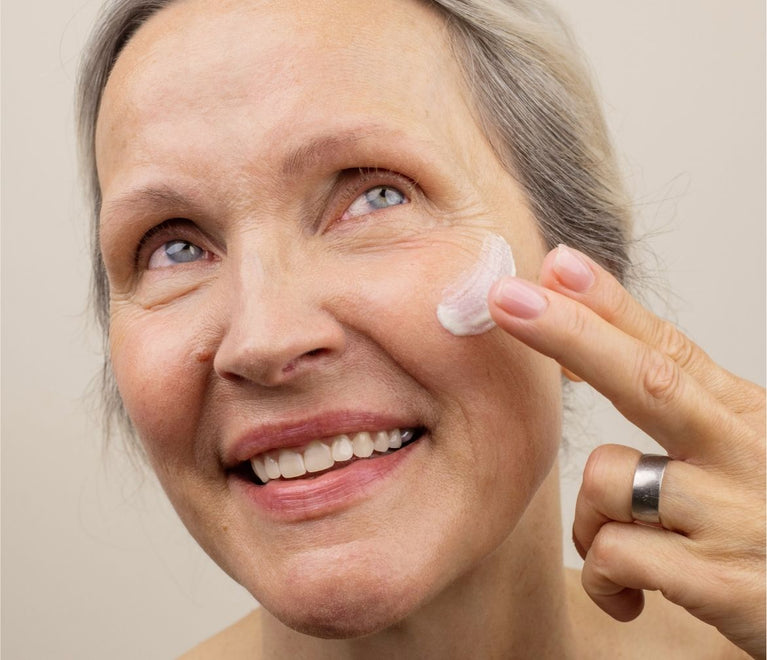
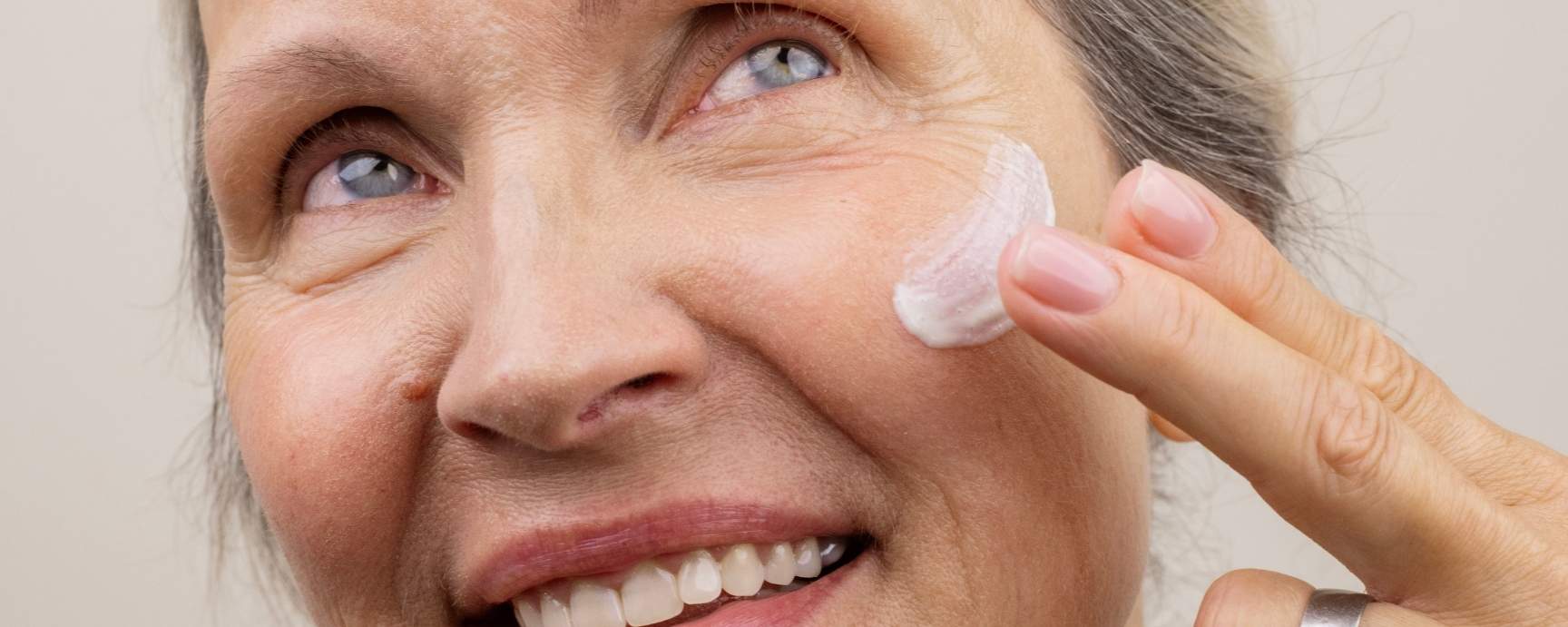
Dry skin on the face (and the whole body!) can have several causes. One distinguishes between external influences, which act directly on the skin from our environment, and internal factors, which are related to predisposition, hormones, or nutrition. Both together influence how balanced and healthy our skin is:
Cold, hot, and above all dry air can stress the skin barrier – in winter as well as in summer. Dry heating air and cold are just as stressful for your skin as sun, UV rays, and heat. And the wrong skin cleansing can also strip moisture from the skin – for example, aggressive surfactants or alcohol in facial care.
Above all, your skin type is naturally related to your genetic predisposition. You cannot change this – but you can support it well. For example, by drinking enough fluids, as dehydration can further worsen already dry skin. Hormonal changes, such as during menopause, or your diet can also influence it.
The skin around the eyes is particularly thin and contains hardly any sebaceous glands. That’s why dryness wrinkles form quickly here. An eye cream can provide good care – but beware: many creams are formulated too strongly for this sensitive area. It should contain neither alcohol nor strong perfumes.
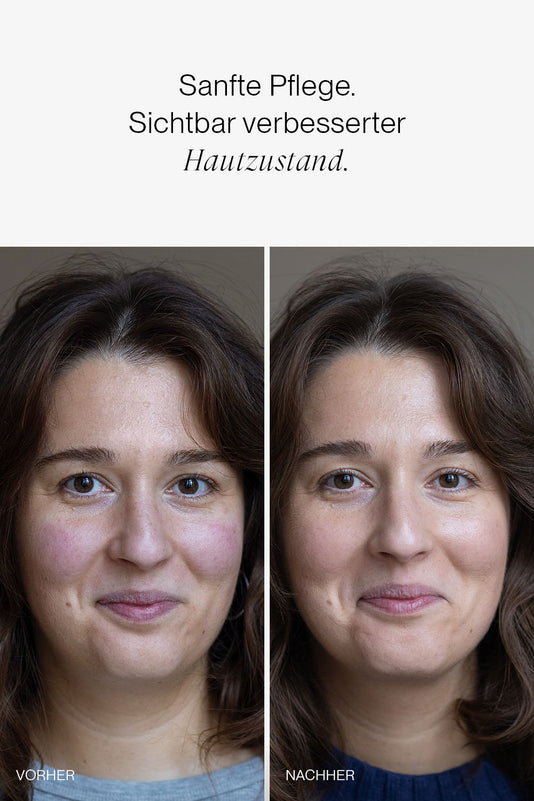
The cheek and nose areas tend to develop redness and dry spots due to cold or sun exposure. Creams, oils, and serums for dry skin with soothing ingredients like niacinamide or squalane help reduce irritation.
Dry skin can also quickly develop around the mouth, for example due to frequent licking of the lips or other irritations. Here too, a good cream protects the skin area and a lip oil protects the lips.
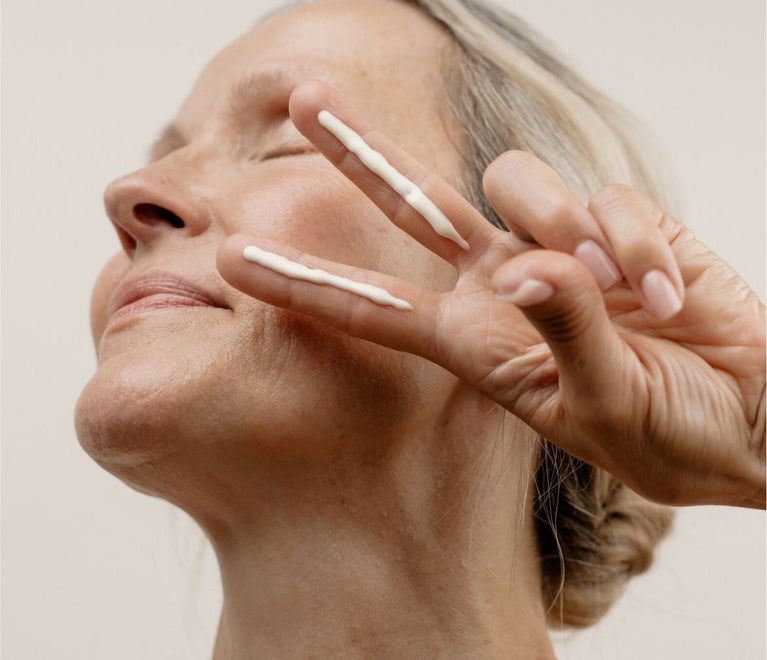
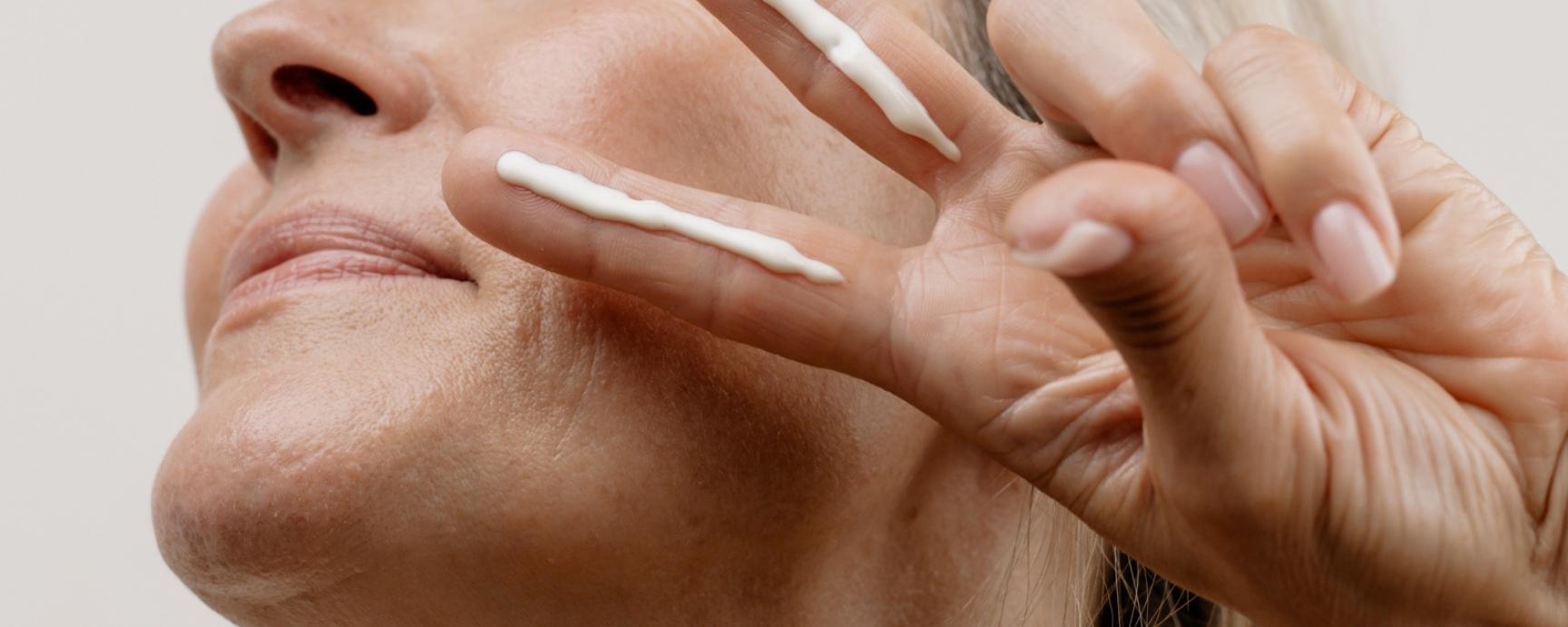
For dry skin on the face, cleansing should be especially gentle – pH-neutral, mild products are ideal for this. Also important: Avoid vigorous "rubbing" or aggressive, mechanical exfoliations.
A suitable face cream is the foundation of any routine for dry skin. During the day, lighter textures like cream or lotion that absorb quickly and provide protection are ideal. At night, it can be richer – a good night care product or even an oil supports skin regeneration while you sleep. The correct order is actually important here as well: You can read more about this in our blog post on the Skincare Routine.
UV radiation can further increase the dryness of your skin. Extensive sun protection is therefore always important – even when the sun isn’t shining!
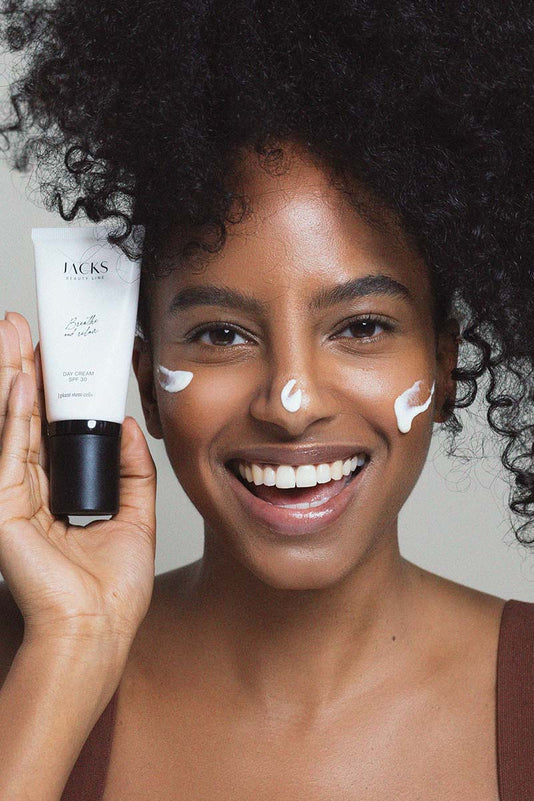
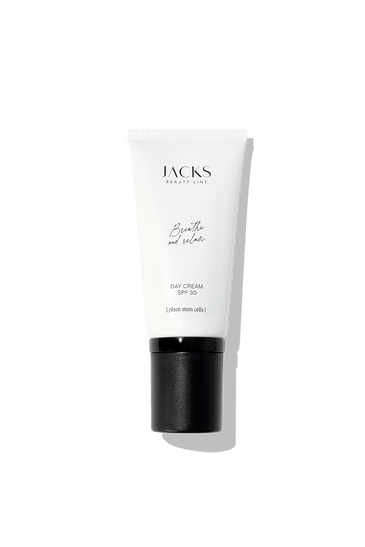
Our tip: If you go straight for a day cream with SPF, you save yourself a step – and are always well protected.
You've probably heard of these ingredients before – we'll explain what each one is good for!
Hyaluronic acid stores water in the skin layers and immediately makes dry facial skin appear plumper.
Ceramides help stabilize the skin's protective barrier and reliably protect it from moisture loss.
Works against redness, strengthens the skin barrier, and ensures a more even complexion.
Both ingredients bind moisture deep in the skin – so they are perfect for very dry areas on the face.
Jojoba, almond, or argan oil provide lipids that smooth the skin and care for dry areas on the face.
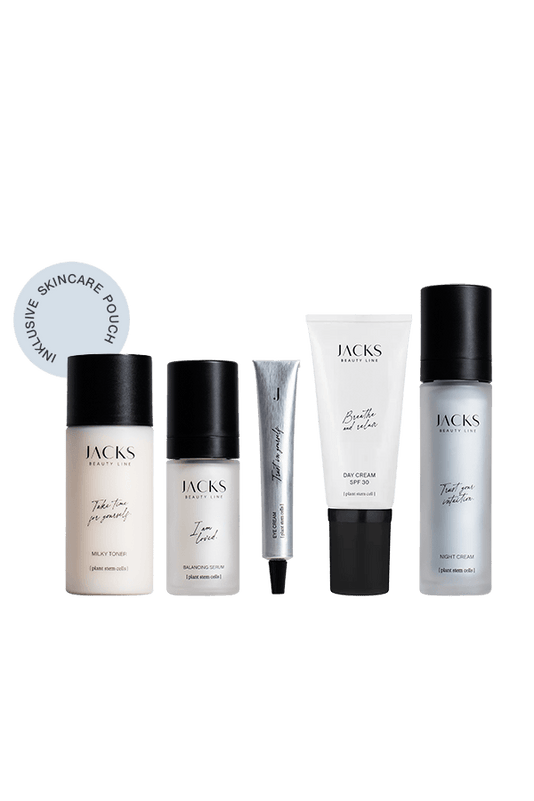
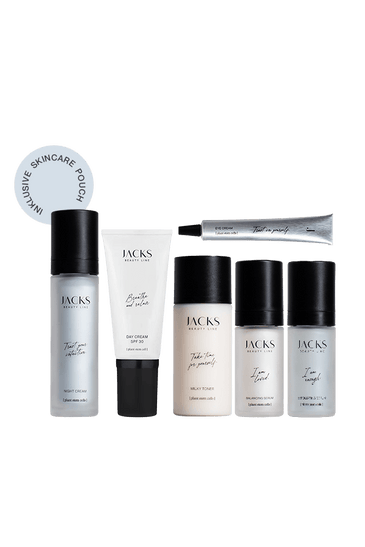
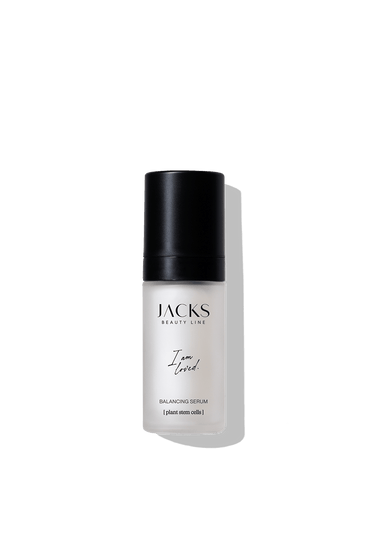
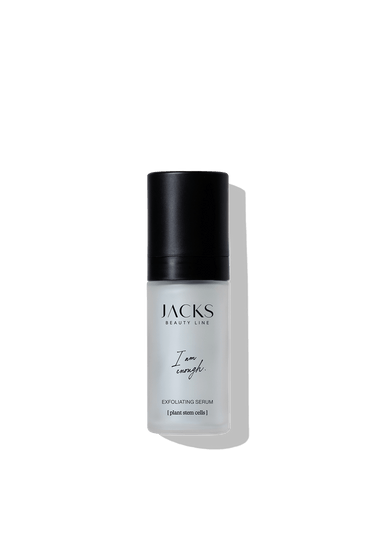
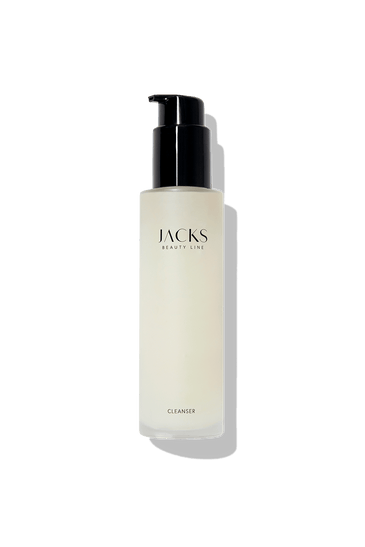
Hand on heart: There is no “one right skincare” – it has to suit you! So trying things out is probably always necessary, but you can pay attention to a few points when choosing: A face cream for very dry skin should combine moisture and lipids. Plant-based ingredients as well as hyaluronic acid and ceramides should also be included. In our brand-new skincare line, which will be available in a few weeks, we additionally rely on plant stem cells to provide especially intensive care for dry skin.
Provide the skin with intense moisture, protect against environmental influences during the day, and supply extra moisture at night.
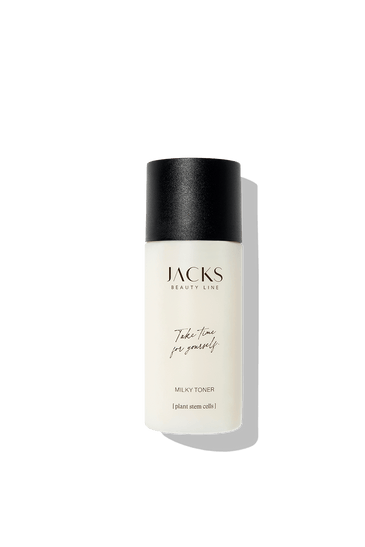
Perfect for a moisture boost for dry skin on the face.
Support the skin barrier and help with very dry areas on the face.
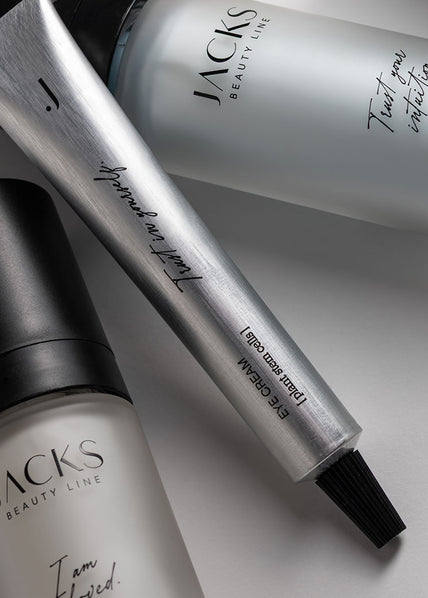
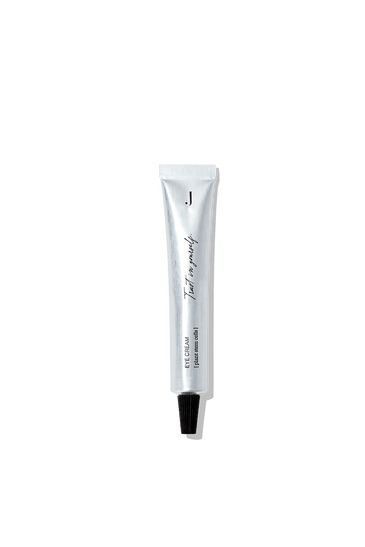
Specifically provides moisture to the delicate eye area and prevents dryness wrinkles.
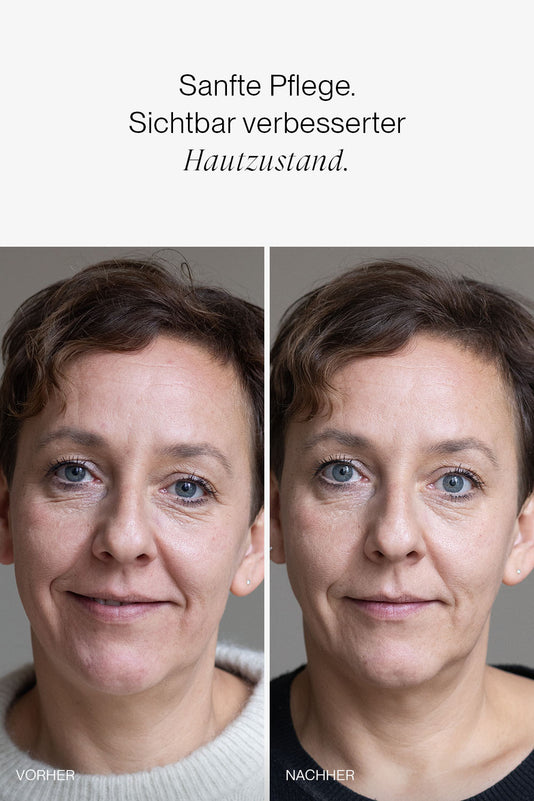
Dry and dehydrated skin requires special care. The Well Aging & Hydration Set provides optimal care for dry and dehydrated skin, ensuring smooth, plump skin that feels visibly comfortable.
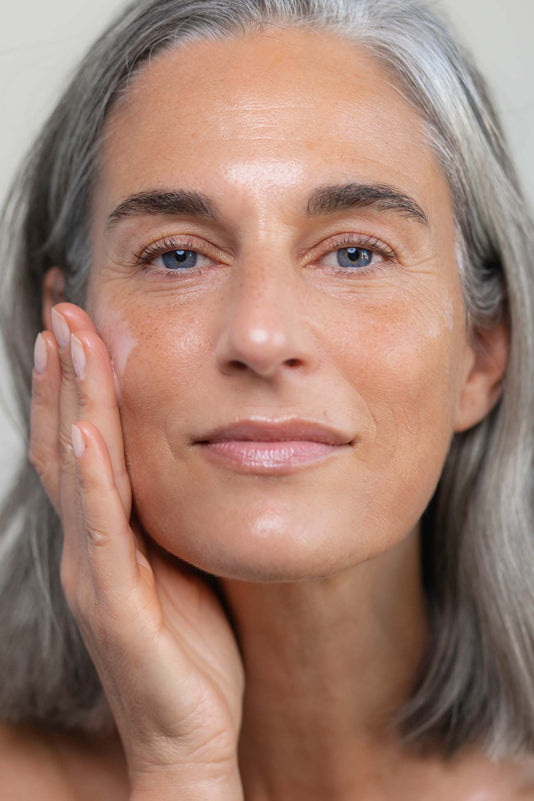

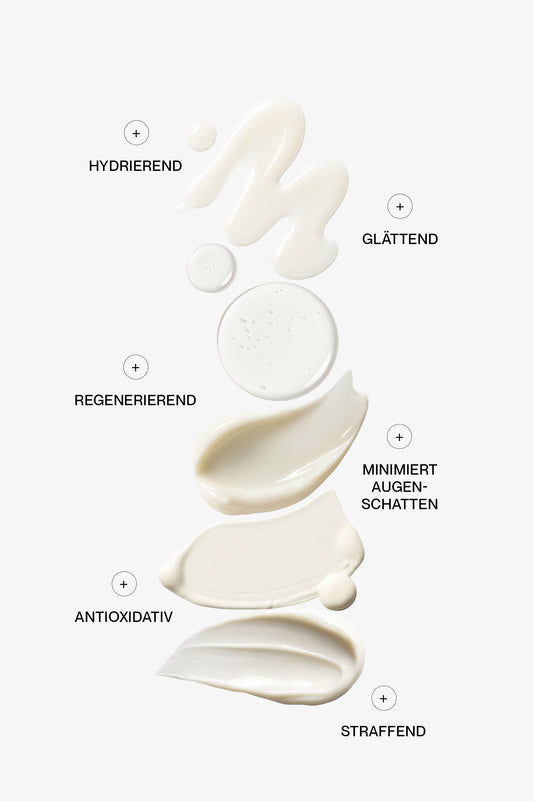
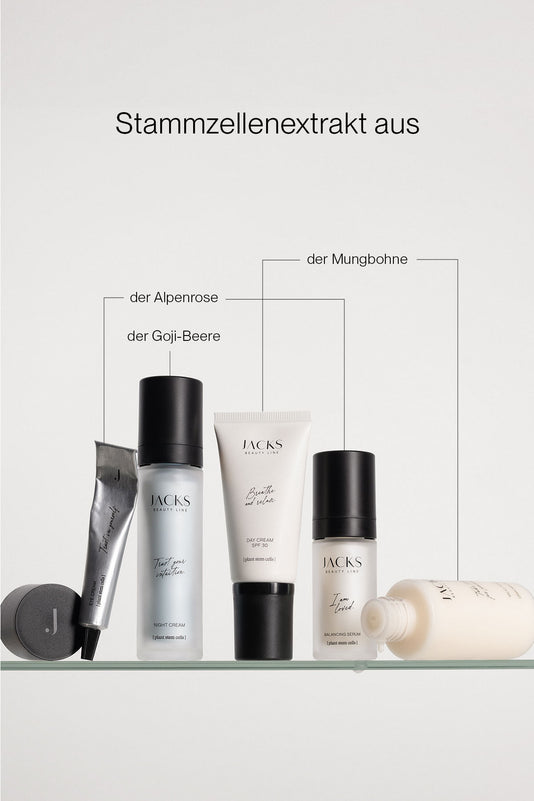
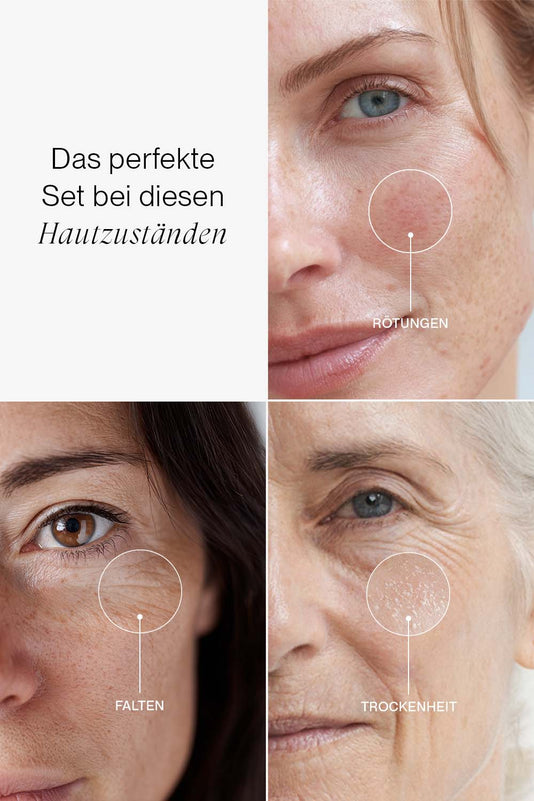


Dry skin especially needs an extra dose of attention – even beyond daily facial care. Because although we cannot influence the genetics of our skin type, we can support it from the inside and the outside. Plenty of fluids and a balanced diet in everyday life – and ideally a routine that doesn’t overwhelm the skin! With fewer products, but carefully selected active ingredients, very dry skin can regain its balance.
For dry skin on the face, rich facial creams with hyaluronic acid, ceramides, and plant oils are the best choice. This combination intensely moisturizes the skin while strengthening the skin barrier.
Important: Make sure the cream is free of harsh alcohols or strong fragrances to prevent further drying of the skin.
Dry skin on the face can be worsened by a nutrient deficiency. Vitamin E and essential fatty acids are especially important – both help to stabilize the skin barrier and protect against moisture loss. Vitamin C also supports this by promoting collagen production and making the skin more resilient.
If you notice persistently very dry skin areas, even with very rich products, it may be helpful to examine your diet or even consult a doctor to check if you have a deficiency in a specific nutrient.
If your skin remains dry despite using facial cream, you should review your entire facial care routine. Important factors include:
If you still have persistent dry skin on your face that bothers you, it might also make sense to schedule an appointment with a dermatologist! This way, you can rule out other causes such as eczema or allergies.
Dry skin is a skin type that naturally contains less oil. It feels permanently rough or flaky. Dehydrated skin, on the other hand, is a skin condition where the water content of the skin is too low. It often feels tight, especially after cleansing, looks dull, and may show fine lines. You can tell whether your skin is dry or dehydrated by whether it is permanently dry or only temporarily dried out due to external factors such as cold, heat, stress, lack of sleep, or unsuitable care. Dry and dehydrated skin can occur independently but can also exist simultaneously.

Marlene Lufen loves fine craftsmanship. Whether at home, at work, or when applying Make-up. She has now designed her own Brushes for JACKS: hand-painted in her favorite shade, chocolate brown.
Read more
Look makeup-free even though you’re wearing Make-up: Here’s how to achieve the no-makeup look step by step.
Read more
Why did the new shade expansion take two years? Rim Zemuye explains how foundation, concealer, and Cream Blush for darker skin tones came about.
Read more
Ordered the wrong shade, and now the product sits unused in your bathroom? It doesn’t have to be that way: our consultation options before and after your purchase help you...
Read more
Sun, heat, humidity: In summer, your Make-up needs lightweight textures. Find out how to keep your look fresh even at 30 degrees.
Read more
UV rays, heat, and sweat put particular stress on your skin in summer. Here’s how to build the right skincare routine.
Read more
Cream Blush is creamy with a glowy finish, Powder Blush is powdery and long-lasting. Find out which blush suits your skin type and why combining both often delivers the best...
Read more
Discover how to apply mascara correctly! With step-by-step instructions, tips on color, ingredients & removing makeup, you can achieve the perfect eye look without clumping or smudging.
Read more