





The Artist Collection by Marlene Lufen
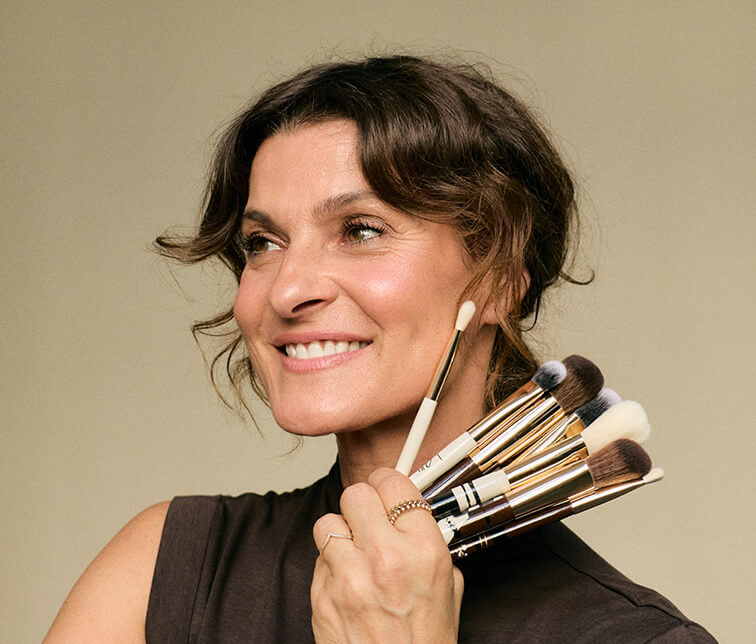
Marlene Lufen loves fine craftsmanship. Whether at home, at work, or when applying Make-up. She has now designed her own Brushes for JACKS: hand-painted in her favorite shade, chocolate brown.
Read more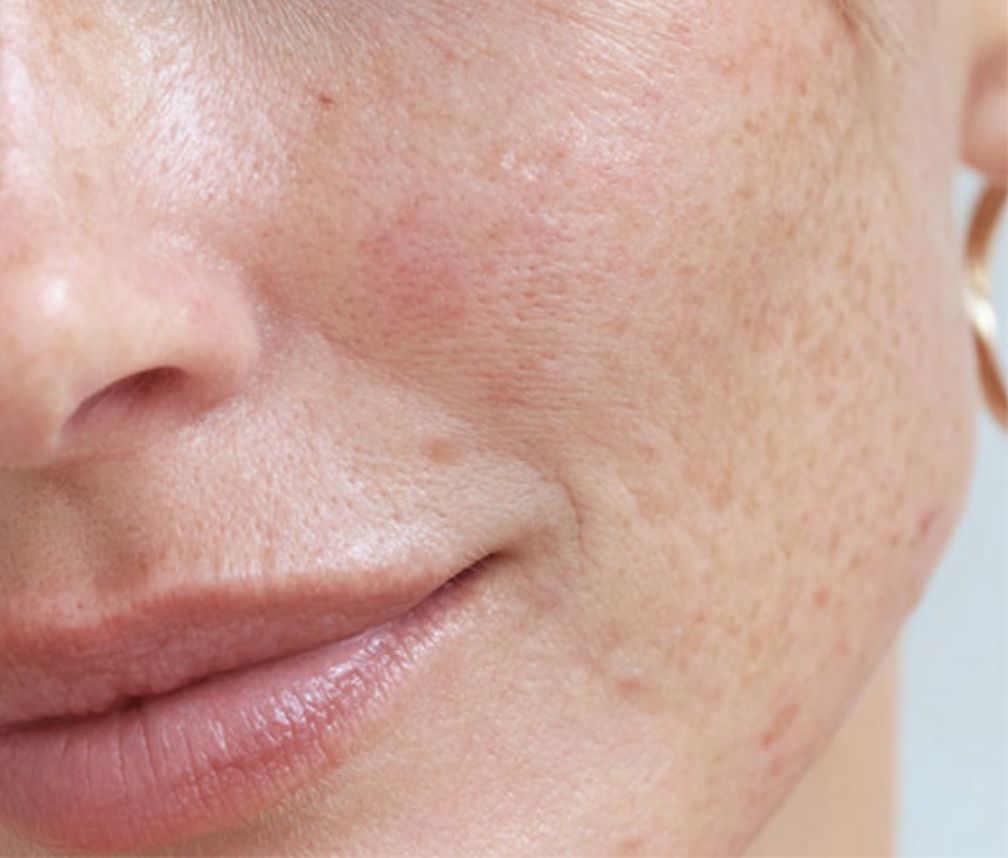
Reading time approx. 8-10 minutes
Rosacea is much more than just occasional redness. Depending on the severity, small blood vessels can become visible, the skin may burn, feel tight, or even show inflammatory blisters. Rosacea is therefore far from just a cosmetic issue! And precisely because the skin reacts so sensitively, it is often difficult to find the right care at all. However, with the right routine, rosacea can usually be well managed. The key is to understand the skin, avoid irritants, and specifically use soothing, barrier-strengthening care. In this article, you will learn what lies behind this skin condition, which ingredients are truly beneficial, and how to bring your skin into balance day by day.
by Julia Döll – last updated on 3. March 2026
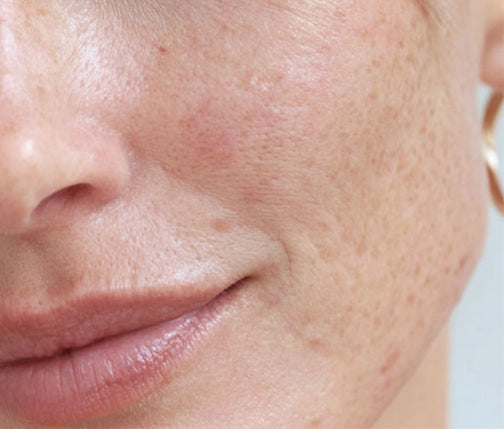
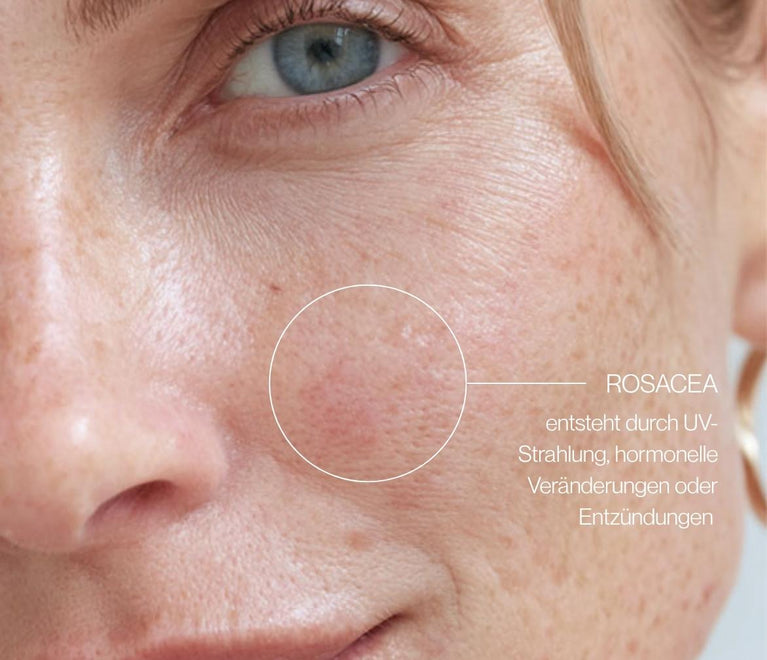
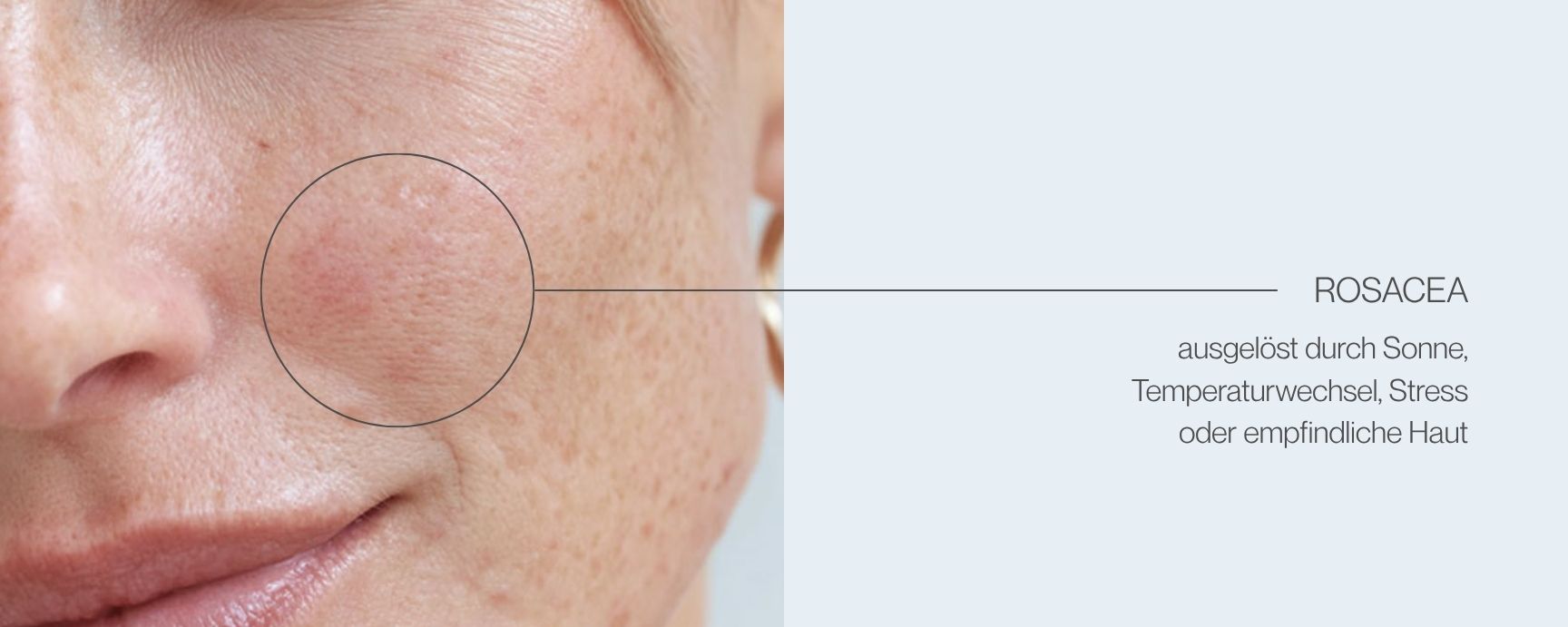
Rosacea is a chronic inflammatory skin condition that primarily affects the face. Typical symptoms include persistent redness, visible blood vessels, and inflammatory skin changes that usually occur in flare-ups. The cheeks, nose, forehead, and chin are especially commonly affected.
Rosacea is characterized by an overreaction of the blood vessels combined with inflammatory processes and a weakened skin barrier. As a result, the skin reacts more sensitively to external and internal triggers.
For skincare with rosacea, this means: the goal is to minimize irritants and stabilize the skin barrier in the long term.
The exact causes of rosacea are still not fully understood today. However, it is established that several factors work together:
In addition, so-called triggers play a crucial role. They can cause or worsen rosacea flare-ups. Common triggers include:
These triggers vary individually. Observing your own triggers is an important part of any long-term skincare routine for rosacea. Those who pay attention to their triggers can significantly reduce flare-ups.
Rosacea often begins with temporary facial redness (flushes). Over time, these can become permanent.
Typical rosacea symptoms include:
Important: The pustules in rosacea are not the same as classic acne. Unlike acne, clogged pores are not the main issue here; instead, vascular reactions and inflammatory processes are predominant.
Rosacea can be divided into different stages. Not every affected person goes through all phases. An early dermatological assessment can help to better classify the course and provide targeted support.
A rosacea flare-up refers to a phase in which the typical symptoms such as redness, burning, or inflammatory pustules significantly worsen. Flare-ups often occur suddenly and can be triggered by individual factors.
During a flare-up, the skin barrier is particularly weakened. As a result, the skin reacts more sensitively to UV radiation, temperature changes, or unsuitable skincare products.
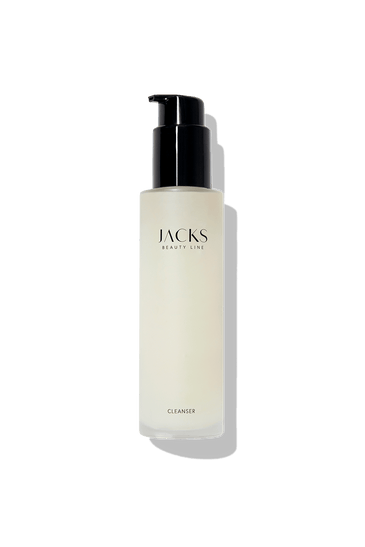
Cleanse the skin morning and evening with a pH-neutral, soap-free cleanser without alcohol and fragrances. For very sensitive skin, lukewarm water is often enough in the morning. Gently pat the skin dry after cleansing. Avoid mechanical friction, brushes, or coarse washcloths.
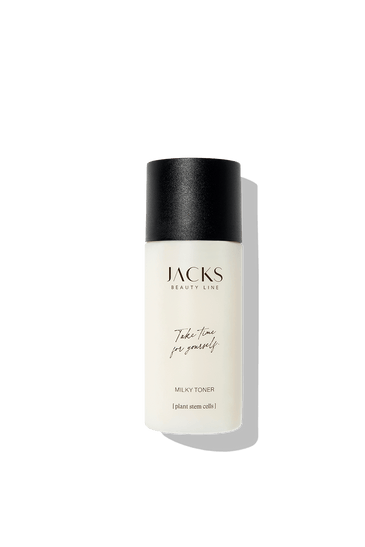
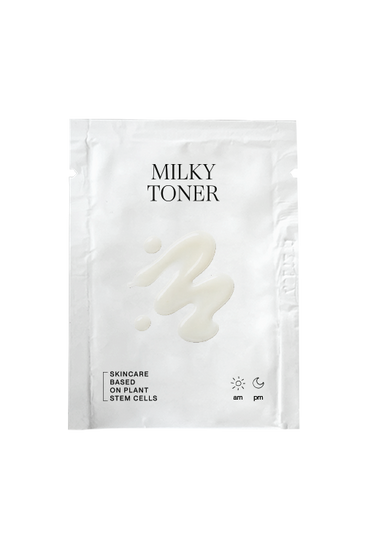
Apply a toner with soothing ingredients like panthenol, calendula, or hyaluronic acid. It provides moisture and prepares the skin for subsequent care.
Test the toner on a small area before regular use to ensure compatibility.
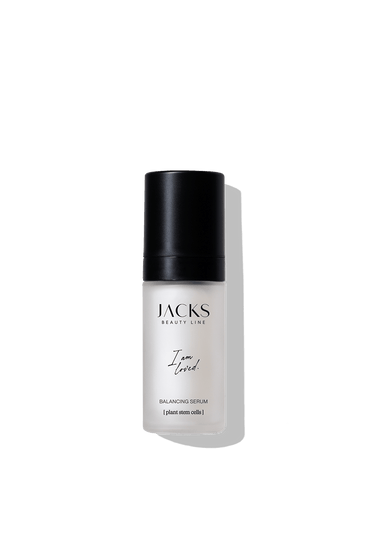
Use a light, soothing serum after toner to regenerate the skin and reduce redness.
Anti-inflammatory ingredients like D-Panthenol strengthen the skin barrier and help the skin calm down faster.
Test the serum on a small area before regular use to ensure compatibility.
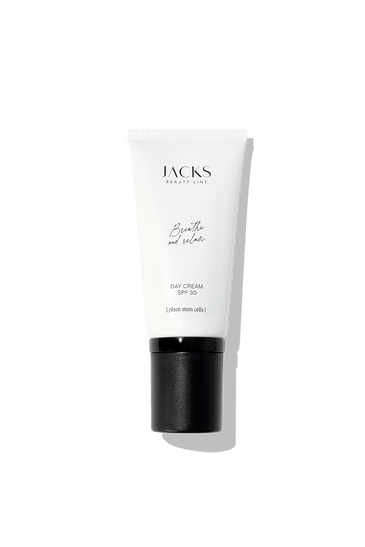
In the morning, after the serum, apply a light, soothing day care with sun protection factor to protect the skin from UV radiation, which can trigger rosacea flare-ups.
Mineral sunscreens are especially suitable as they do not further irritate sensitive skin.
In the evening, choose a rich, regenerating care that supports the skin barrier and helps reduce inflammation.
Test the Day Cream SPF 30 and Night Cream on a small area before regular use to ensure compatibility.
Beauty experts tip: Apply sun protection daily, even in winter or on cloudy days.
Reduce the routine to a few, minimalist products. Choose soothing, anti-inflammatory formulations without fragrances, alcohol, or irritating ingredients. Avoid mechanical scrubs and aggressive cleansing methods.
The right selection of ingredients is crucial to reduce redness, inflammation, and flare-ups in rosacea and to strengthen the skin barrier in the long term. Not every "sensitive" skincare product is automatically suitable for rosacea.
Rosacea can occur in combination with other skin conditions. Those who have multiple skin problems at the same time should specifically adjust their skincare to minimize redness, inflammation, and flare-ups.
Rosacea pustules resemble acne but are not typical pimples.
Difference: Acne is caused by clogged pores and excess sebum, while rosacea results from an overreaction of blood vessels and a weakened skin barrier.
Care tip: Harsh acne products can worsen rosacea. Use gentle, anti-inflammatory care that soothes the skin and strengthens the barrier.
Note: Acne can also appear on the chest, shoulders, or back, whereas rosacea is usually limited to the forehead, nose, cheeks, and chin.
Neurodermatitis severely weakens the skin barrier and makes the skin particularly susceptible to irritation and inflammation.
Care advice: Mild, restorative care products with panthenol, ceramides, or squalane help retain moisture and strengthen the protective barrier. Avoid aggressive cleansing products, fragrances, or products with high alcohol content, as they can trigger flare-ups.
People with rosacea are more likely to react sensitively to contact allergies or irritating ingredients in cosmetics.
Care tip: Use products without alcohol, perfume, or acids to soothe the skin and reduce flare-ups.
Note: Allergies can worsen rosacea flare-ups. It is advisable to monitor individual intolerances.
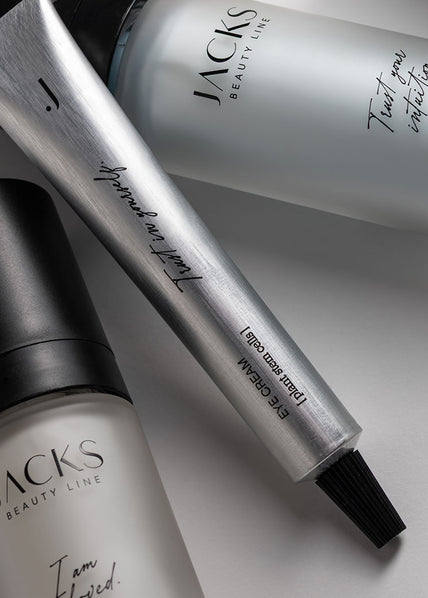
For skin prone to redness and sensitive skin, gentle, minimalist skincare products that strengthen the skin barrier and reduce inflammation are suitable. To make the selection easier, we have put together a curated selection of rosacea skincare products specifically tailored to sensitive, redness-prone skin:

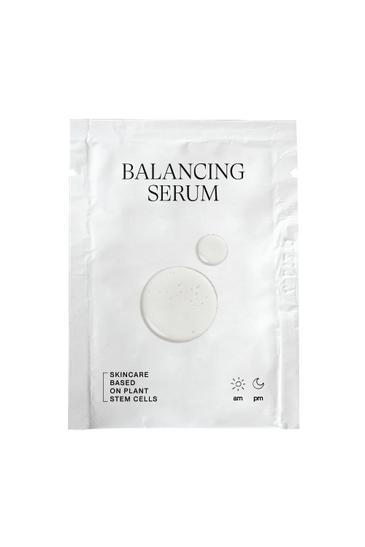
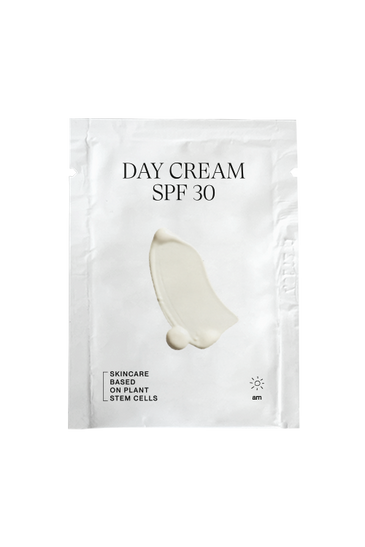
For rosacea, a gentle, minimalist skincare routine is essential. The goal is to reduce redness, soothe inflammation, and strengthen the skin barrier in the long term.
A structured routine with mild cleansers, soothing serums, moisturizing creams, and daily sun protection helps prevent flare-ups and makes the skin more resilient.
Pay attention to suitable ingredients like niacinamide, panthenol, hyaluronic acid, or centella asiatica, and avoid irritating substances such as alcohol, fragrances, menthol, or heavy oils. Those who also know and consider their personal triggers further support the skin’s regeneration.
The most important tips at a glance:
Use mild, soap-free cleansers and lukewarm water. Gently pat the skin dry and use soothing, barrier-strengthening care.
Suitable are niacinamide, panthenol, hyaluronic acid, and light oils. Avoid alcohol, fragrances, menthol, camphor, and aggressive peeling particles.
Yes, daily sun protection is crucial because UV radiation can trigger flare-ups. Mineral filters are especially gentle.
Yes, but choose gentle, non-comedogenic, and low-irritation Make-up that does not clog or irritate the skin.
Learn more about suitable Make-up for rosacea in our blog post.
A product can cause flare-ups if the skin burns, becomes very red, or reacts sensitively. Test new products first on a small area of skin.
Yes, rosacea-prone skin especially needs minimalist, irritation-free products that soothe inflammation and strengthen the barrier.
Marlene Lufen loves fine craftsmanship. Whether at home, at work, or when applying Make-up. She has now designed her own Brushes for JACKS: hand-painted in her favorite shade, chocolate brown.
Read more
Look makeup-free even though you’re wearing Make-up: Here’s how to achieve the no-makeup look step by step.
Read more
Why did the new shade expansion take two years? Rim Zemuye explains how foundation, concealer, and Cream Blush for darker skin tones came about.
Read more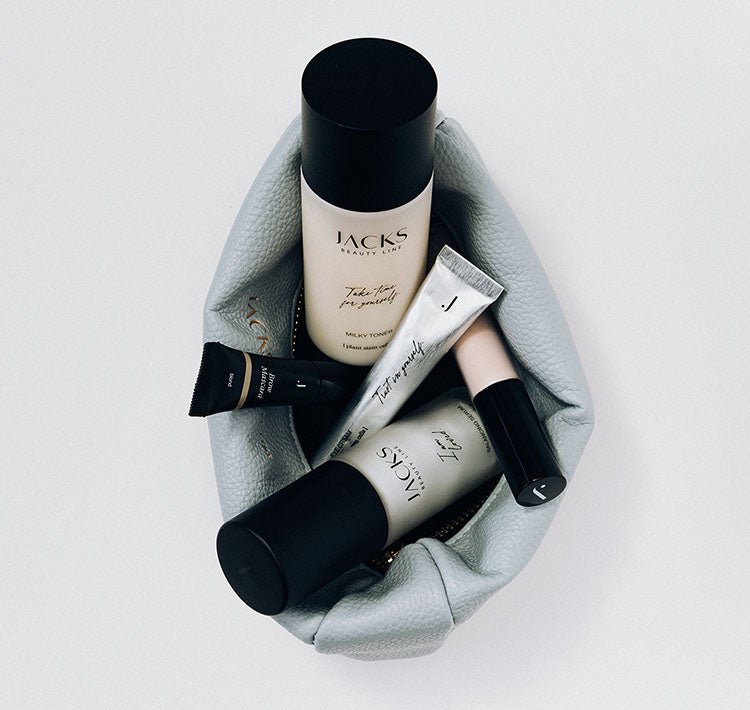
Ordered the wrong shade, and now the product sits unused in your bathroom? It doesn’t have to be that way: our consultation options before and after your purchase help you...
Read more
Sun, heat, humidity: In summer, your Make-up needs lightweight textures. Find out how to keep your look fresh even at 30 degrees.
Read more
UV rays, heat, and sweat put particular stress on your skin in summer. Here’s how to build the right skincare routine.
Read more
Cream Blush is creamy with a glowy finish, Powder Blush is powdery and long-lasting. Find out which blush suits your skin type and why combining both often delivers the best...
Read more
Discover how to apply mascara correctly! With step-by-step instructions, tips on color, ingredients & removing makeup, you can achieve the perfect eye look without clumping or smudging.
Read more