





The Artist Collection by Marlene Lufen
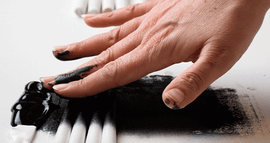
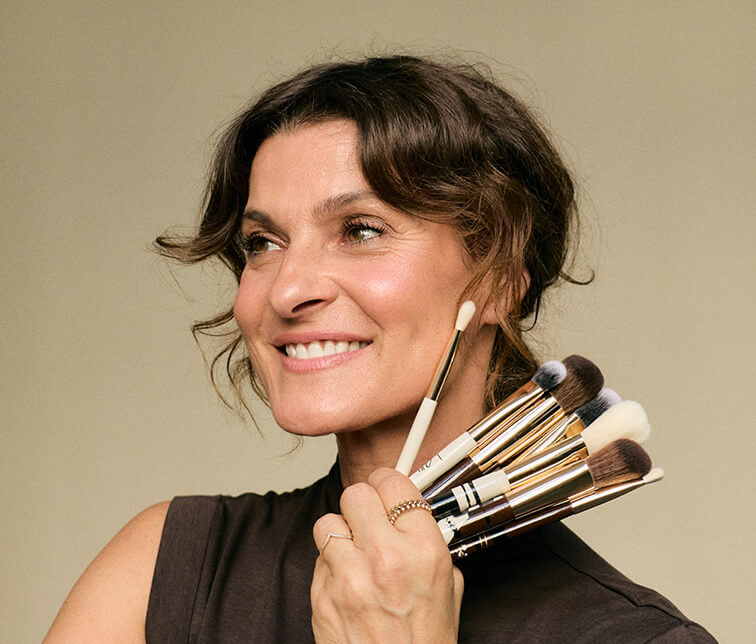
Marlene Lufen loves fine craftsmanship. Whether at home, at work, or when applying Make-up. She has now designed her own Brushes for JACKS: hand-painted in her favorite shade, chocolate brown.
Read more
Reading time approx. 8-10 minutes
You would think that by 40, you’ve really left puberty behind, right? But in fact, many women notice (again) an increase in blemishes, blackheads, or clogged pores—often combined with dryness and the first wrinkles. This can be really frustrating because the skin now needs care for blemishes and anti-aging ingredients at the same time, which can quickly overwhelm it. What’s important here? We’ll tell you!
by Julia Döll – 8. December 2025
From around the mid-30s, the skin begins to change. This is not only due to aging but also because of the hormonal balance, which slowly adjusts from then on. The hormonal fluctuations that many of us expect during menopause often start years earlier, in the so-called perimenopause.
Perimenopause is the transition phase before menopause, before menstruation stops completely, and can begin as early as the mid-30s to early 40s. Especially the estrogen and progesterone levels change significantly during this phase – sometimes over several years. This causes sebum production to become irregular, the skin to become more sensitive, and prone to blemishes, redness, or inflammation, especially in the chin and cheek areas.
The reason so many women are surprised by perimenopause is mainly because it is rarely talked about – and there is certainly not enough research in this area. Yet it affects every woman sooner or later. But precisely because of this, typical signs – from skin blemishes to sleep problems to mood swings – are often attributed to other causes, even though they are closely linked to these hormonal changes.
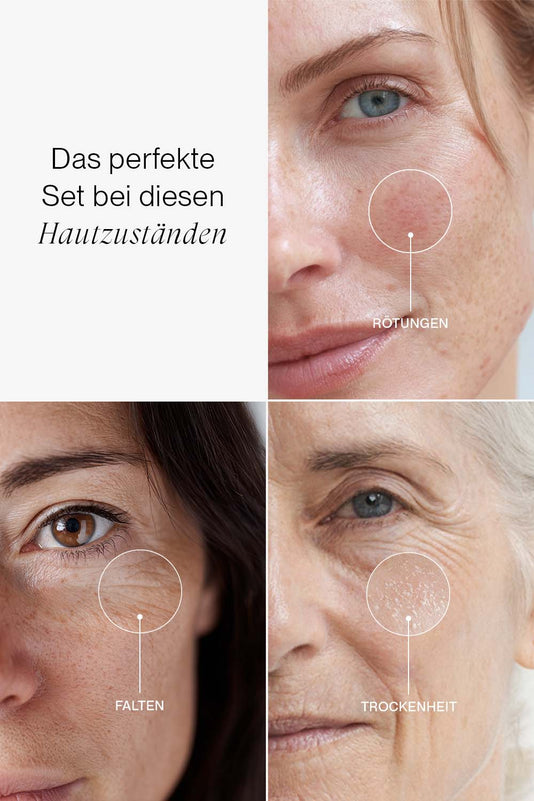
Estrogen promotes collagen production, moisture, and elasticity. When it is lacking or significantly reduced, as during perimenopause, the skin becomes drier, thinner, and more sensitive. And even though this may seem paradoxical at first: this can lead to the skin simultaneously being prone to impurities and fine lines. The pores clog more easily while the skin barrier is weakened and inflammations heal less effectively.
At 40, we are often in the middle of life, juggling work, family, and often much more at the same time. Mental load, (small) children who don’t sleep through the night, often more responsibility at work than 10 years ago, and stress in general have an immediate impact on our skin.
Both chronic stress and lack of sleep put the body in a constant state of alert. The stress hormone cortisol rises and inhibits skin regeneration, inflammation increases, and the skin produces more sebum than it should. Often, there simply isn’t enough time for a balanced diet or regular time for oneself. And this quickly leads to increased blemishes, redness, or an unsettled skin appearance. You can read more about this topic in our article Beautiful Skin from Within.
What was good for the skin at 20 can quickly overwhelm it at 40. Harsh cleansers, aggressive peels, or drying anti-pimple products now quickly lead to an imbalance.
Rich, classic anti-aging creams can also become a problem: many contain oils or waxes that clog pores faster in skin prone to blemishes. At the same time, soothing, barrier-strengthening ingredients that mature skin urgently needs are often missing. This is exactly why we focus on Well-Aging – not just Anti-Aging.
Ideally, skincare should clarify, soothe, and strengthen simultaneously, especially now.
Products that are particularly suitable:
and use antioxidant ingredients to reduce oxidative stress
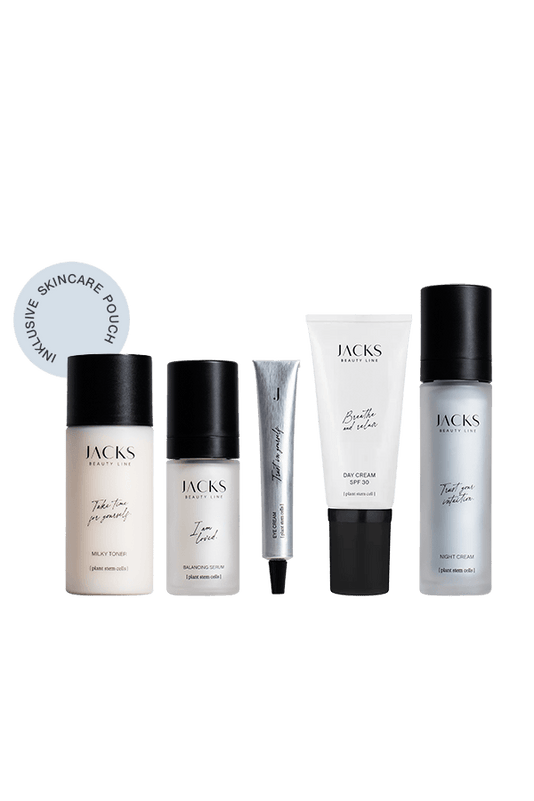



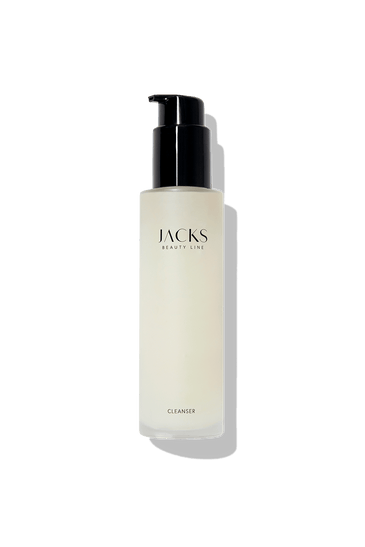
A good cleansing removes Make-up, sweat, and excess sebum without drying out the skin. In the morning, cleansing with water is often enough, especially if the skin is very dry – in the evening, a gentle cleanser is perfect.
Serums are the power phase of the routine and provide concentrated moisture and support for the skin. Important: Not all at once – better to use them selectively!
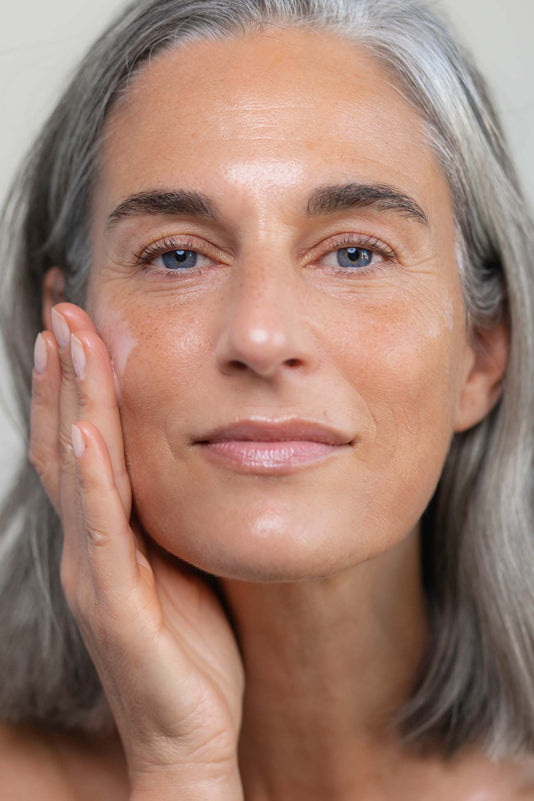
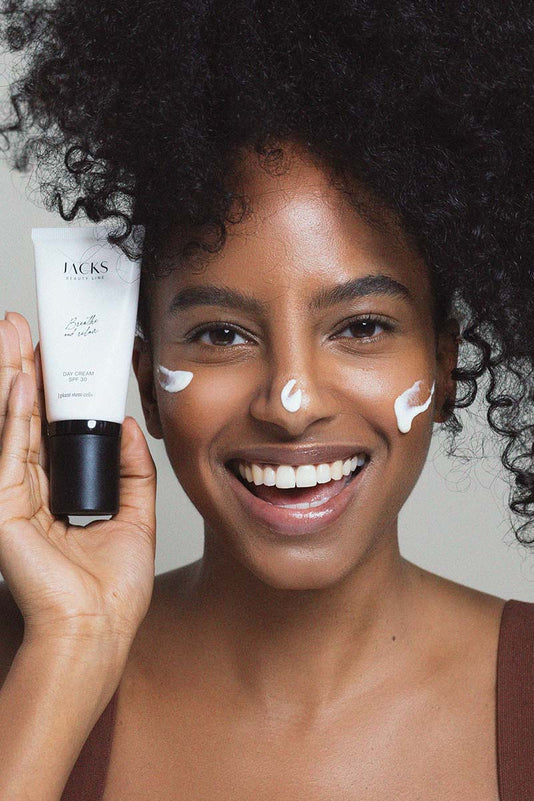
Mature, blemished skin needs moisture – but not heavy, occlusive creams. During the day, light, moisturizing textures should definitely include an SPF – in the evening, the cream can be a bit richer as long as it is not too oily. The key is to soothe and strengthen the skin barrier so that blemishes fade faster.
These 3 steps, which you should definitely – and consistently! – follow daily for impure skin over 40, can of course be supplemented. Just take a look at our detailed Skincare Routine.
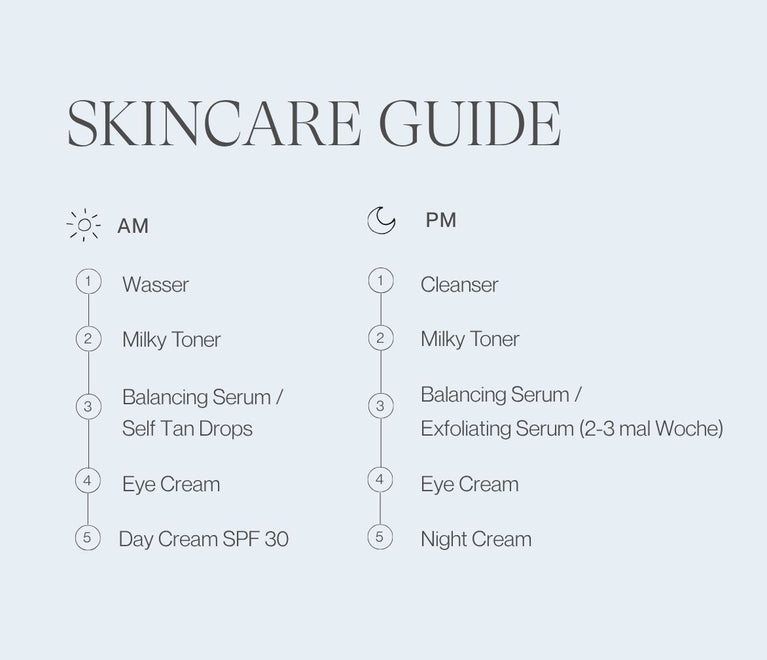
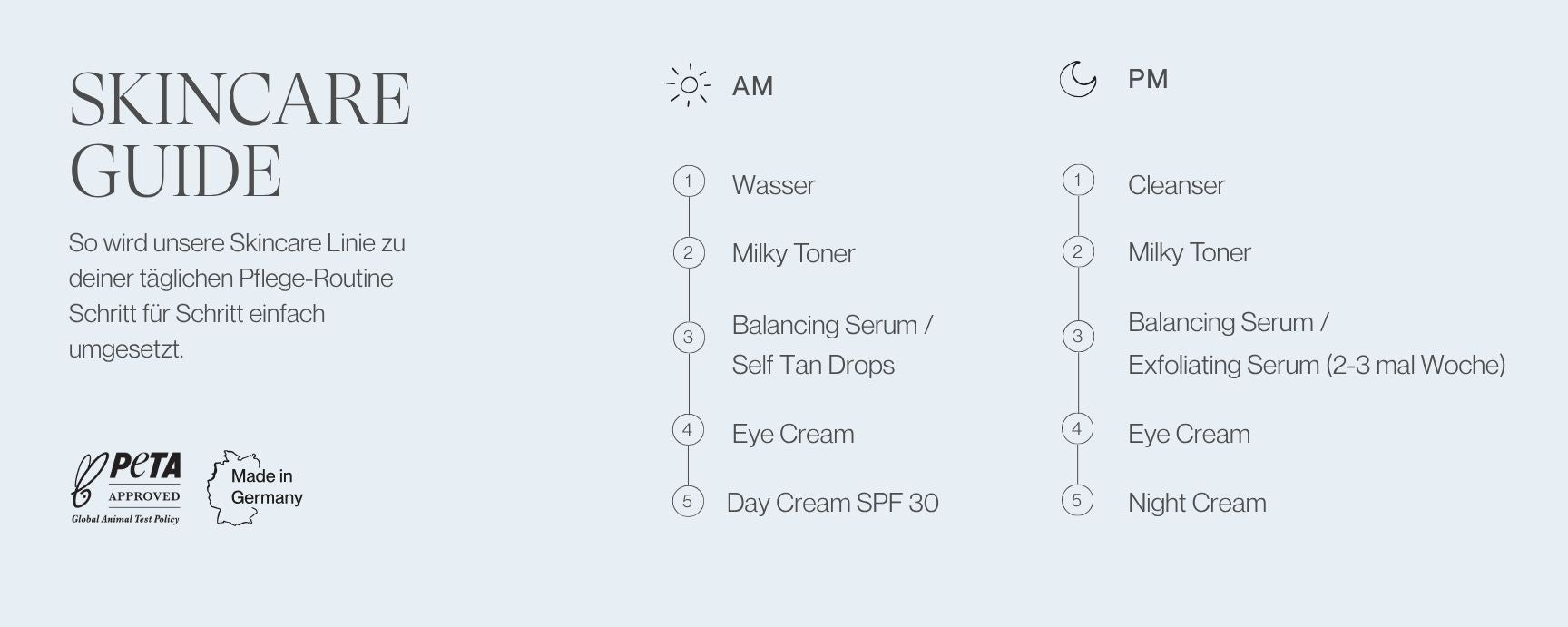
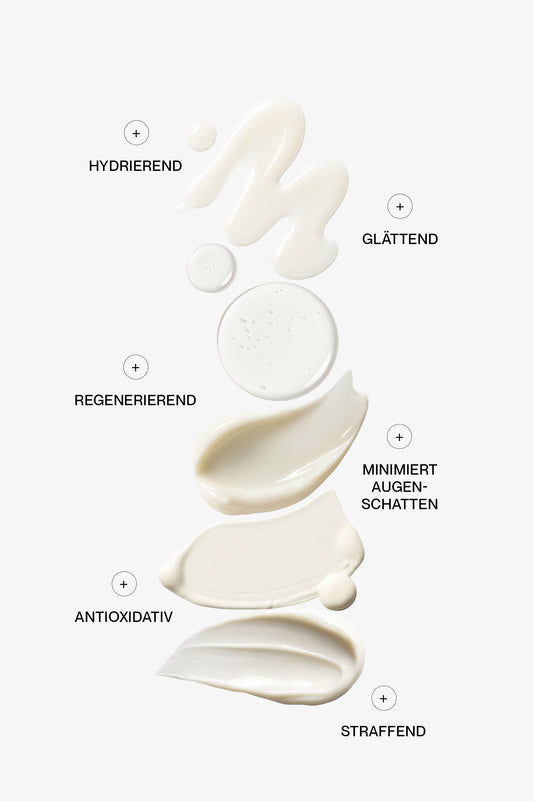
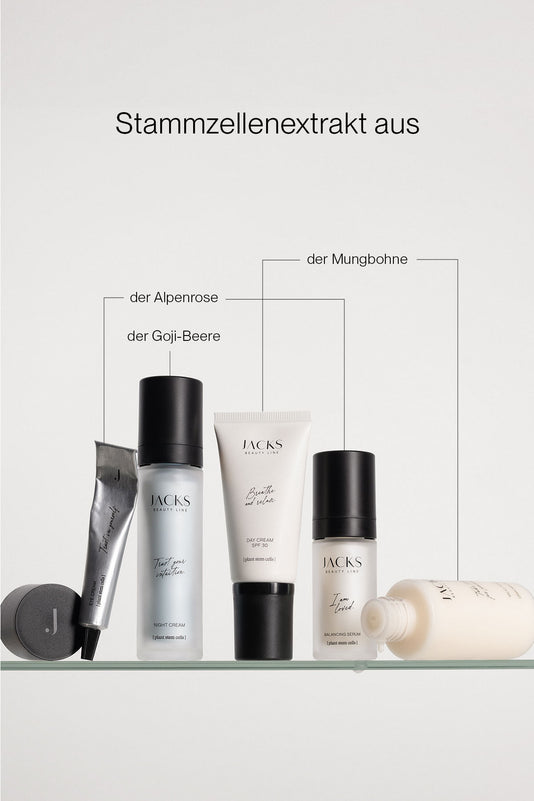
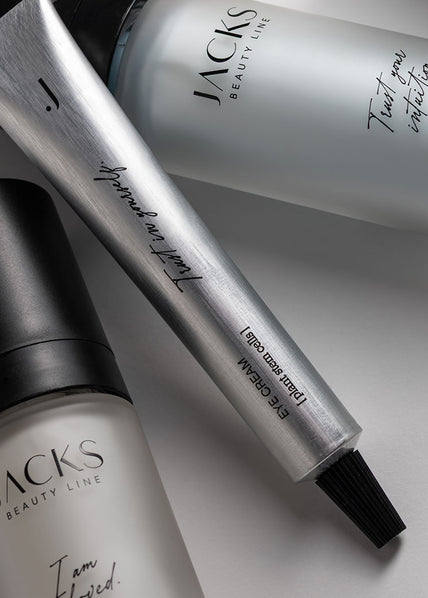
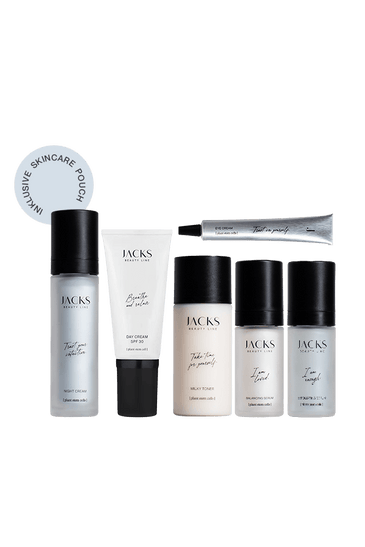
These active ingredients work especially well because they both clarify and support mature skin:
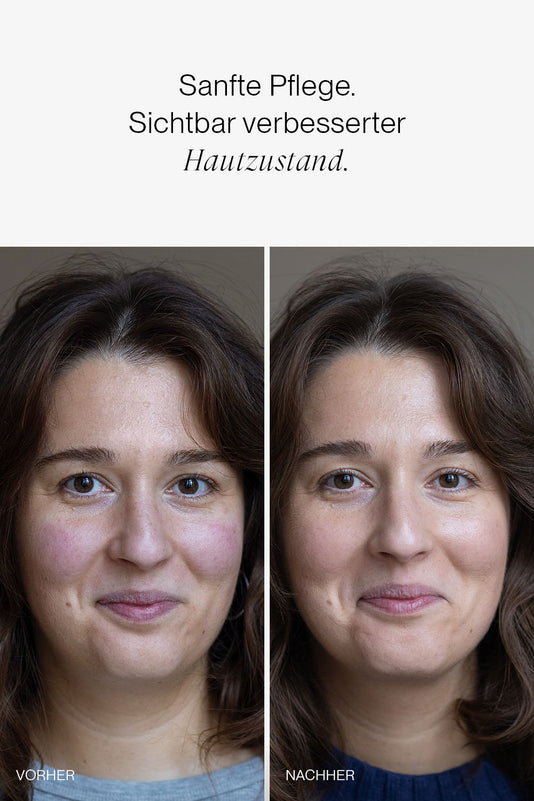
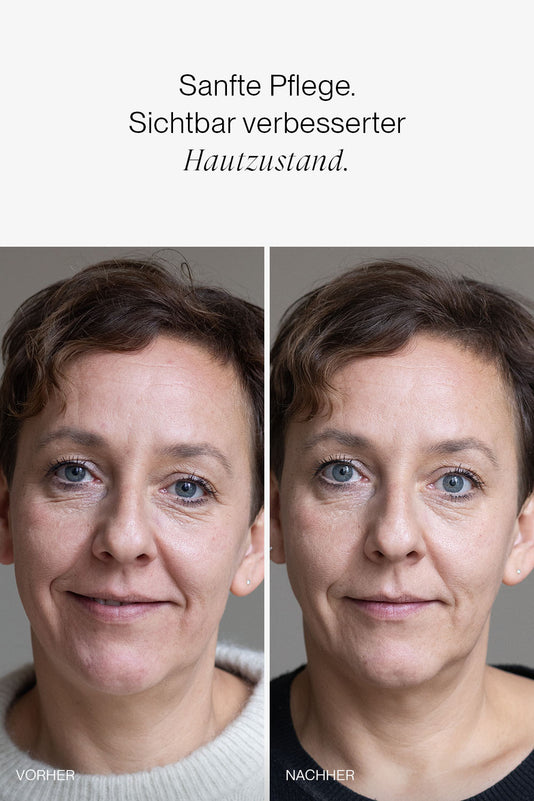
This way, blemishes can fade while the skin becomes plumper, more balanced, and more even at the same time.
If you struggle with blemishes, it’s not a sign that your skin is dirty. Impure skin at 40 is a completely normal reaction to hormonal fluctuations, stress, and the natural changes in your skin. With a gentle, well-thought-out routine, you can soothe, strengthen, and sustainably clarify your skin.
Focus on:
And one thing is clear? Consistency beats perfection. And with the right care, you can support your skin’s balance day by day.
Marlene Lufen loves fine craftsmanship. Whether at home, at work, or when applying Make-up. She has now designed her own Brushes for JACKS: hand-painted in her favorite shade, chocolate brown.
Read more
Look makeup-free even though you’re wearing Make-up: Here’s how to achieve the no-makeup look step by step.
Read more
Why did the new shade expansion take two years? Rim Zemuye explains how foundation, concealer, and Cream Blush for darker skin tones came about.
Read more
Ordered the wrong shade, and now the product sits unused in your bathroom? It doesn’t have to be that way: our consultation options before and after your purchase help you...
Read more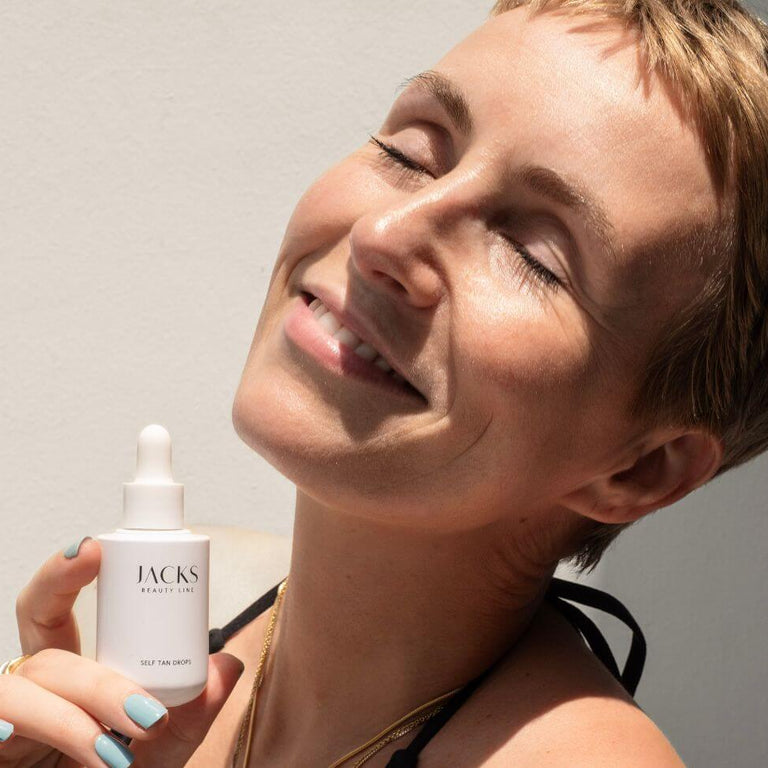
Sun, heat, humidity: In summer, your Make-up needs lightweight textures. Find out how to keep your look fresh even at 30 degrees.
Read more
UV rays, heat, and sweat put particular stress on your skin in summer. Here’s how to build the right skincare routine.
Read more
Cream Blush is creamy with a glowy finish, Powder Blush is powdery and long-lasting. Find out which blush suits your skin type and why combining both often delivers the best...
Read more
Discover how to apply mascara correctly! With step-by-step instructions, tips on color, ingredients & removing makeup, you can achieve the perfect eye look without clumping or smudging.
Read more