





The Artist Collection by Marlene Lufen
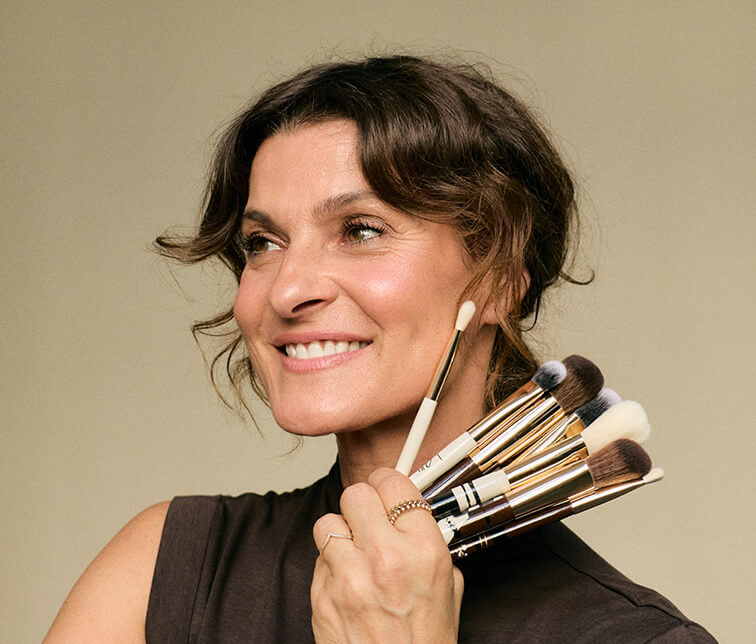
Marlene Lufen loves fine craftsmanship. Whether at home, at work, or when applying Make-up. She has now designed her own Brushes for JACKS: hand-painted in her favorite shade, chocolate brown.
Read more
Reading time: approximately 6–7 minutes
In summer, your skin primarily needs lightweight, moisturizing skincare and daily sun protection with a sufficient SPF. UV radiation, heat, and sweating cause the skin to lose moisture more quickly than in the cooler months, while sebum production increases. The right summer skincare routine therefore focuses on lightweight textures, targeted hydrators, and sun protection suited to your individual skin needs. Read here to learn how to structure a summer routine for your face and skin and what to consider depending on your skin type.
by Julia Döll – last updated on 27. August 2026
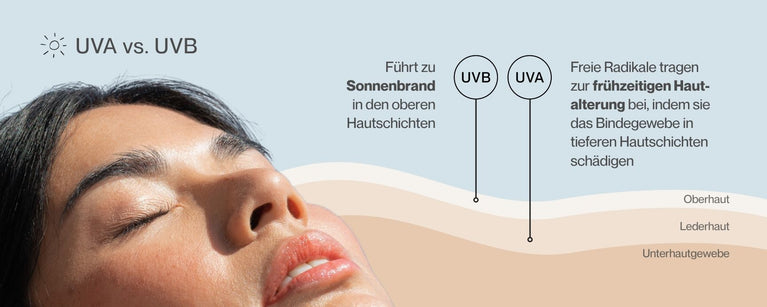
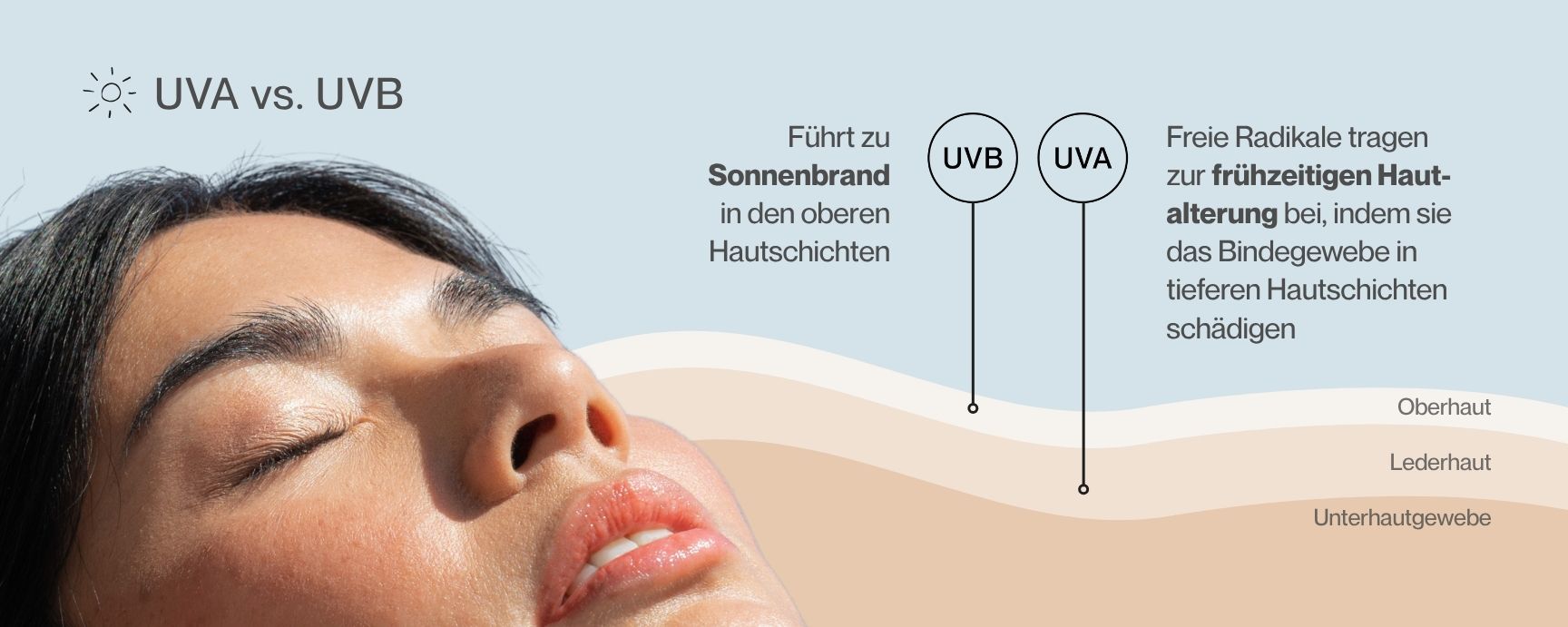
Higher temperatures and increased UV exposure change what the skin needs. UVA rays penetrate deep into the skin and are active all year round; they are considered the main cause of skin aging and pigmentation. UVB rays affect the skin more superficially and are primarily responsible for sunburn. That’s why sun protection with UVA and UVB filters is not an optional step in summer, but a basic necessity, including on cloudy days.
In addition, heat and high humidity increase sebum production, which can encourage clogged pores and blemishes. Sweat, chlorine, and salt water also put additional strain on the skin barrier and draw moisture from it. A rich winter moisturizer can quickly feel too heavy under these conditions, whereas lightweight gels, fluids, and serums absorb quickly and do not put additional stress on the skin.
Effective summer skincare depends not only on choosing the right products, but also on the order in which you apply them. In summer, the rule is: apply lightweight, hydrating formulas first and rich products last. This allows active ingredients to penetrate the skin optimally without being blocked by layers of cream.
If you’re unsure about the ideal order for your skincare products or want to optimize your skincare routine overall, you’ll find more helpful basics and expert tips in our article on the skincare routine.
In summer, your morning facial skincare routine follows three steps: cleanse gently, moisturize, and apply sun protection. For daily sun protection, use at least SPF 30; if you have very fair skin or spend longer periods outdoors, SPF 50 is recommended. If you spend a lot of time outside, you should reapply your protection about every two hours. A sun protection stick makes this practical, as you can apply it over your existing Make-up.
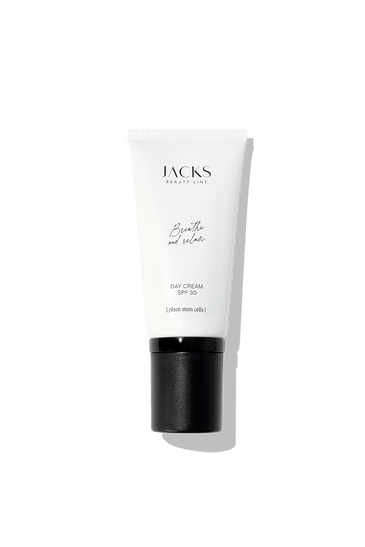
JACKS beauty line’s Day Cream SPF 30 combines moisturizing care and sun protection in one step. It absorbs quickly, leaves no greasy feeling, and also serves as a base for Make-up. This saves you an additional skincare step in the morning without compromising on SPF.
In the evening, thorough cleansing is especially important. Sweat, sunscreen, and environmental particles accumulate on the skin throughout the day and should be removed before bed; otherwise, they can clog pores.
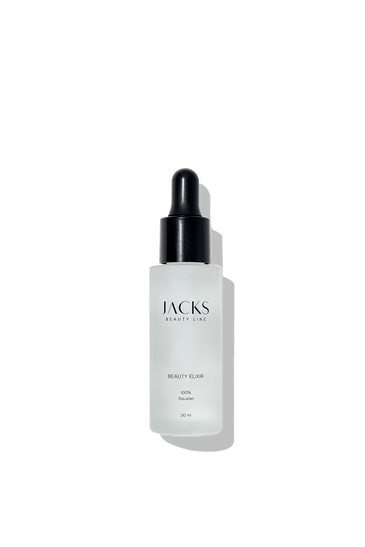
A gentle cleanser that does not dry out the skin is sufficient. Afterward, your night care can be somewhat richer than during the day, as the skin has time to regenerate at night. A serum with squalane, such as the Beauty Elixir, supports the skin barrier without weighing it down.
For summer, a lightweight sunscreen with an SPF of 30 to 50 is suitable and protects against both UVA and UVB rays. Apply it generously as the final step in your Skincare routine; for sensitive or blemish-prone skin, a mattifying or oil-free formula is worthwhile. Reapplication is important: the SPF wears off throughout the day, especially through sweating or contact with water, so you should reapply every two to three hours, especially after swimming.
Pigmentation is caused, among other things, by repeated UV exposure, particularly on the face, décolleté, and back of hand. Daily sunscreen with a high sun protection factor is the most effective form of prevention because it reduces the triggering UV radiation. If you are already prone to pigmentation, you should apply sunscreen consistently not only in visible sunlight but also on cloudy days, as UVA radiation can pass through clouds and window glass.
Oily skin is more prone to shine and clogged pores in summer due to increased sebum production. Lightweight, non-comedogenic, oil-free textures help nourish the skin without putting additional strain on it. However, you should still avoid highly degreasing products, as they can irritate the skin and cause it to produce even more sebum. Sunscreen with a mattifying effect complements the routine without weighing down the skin.
Dry skin loses moisture more quickly in summer due to sun, wind, and water. Instead of giving up rich creams, switch to lighter formulas that still provide intensive hydration, with hyaluronic acid. They moisturize the skin without leaving a greasy film. A sunscreen with moisturizing ingredients also helps prevent the skin from drying out twice as much.
Itching in summer is often caused by a combination of heat, sweat, and an irritated skin barrier. Soothing active ingredients such as aloe vera or panthenol relieve the feeling of tightness and support regeneration. It is also important to avoid heavily fragranced or alcohol-based products, as they can further irritate sensitive skin. If the itching occurs more frequently or becomes more severe, it could also indicate a sun allergy; in that case, it is advisable to seek medical advice.
After a day in the sun, your skin primarily needs soothing and hydration. An after-sun product with aloe vera and panthenol cools, soothes redness, and supports the regeneration of the stressed skin barrier. Storing the product in the refrigerator further enhances the cooling effect. A moisturizing face mask is also suitable as a quick extra dose of care after a hot day; one or two applications per week are sufficient.
Drinking enough fluids supports the skin from within; at least 1.5 to 2 liters of water or unsweetened tea per day help compensate for fluid loss through sweating. You can read about how to support your skin even more specifically through your diet in our article Beautiful Skin from Within.
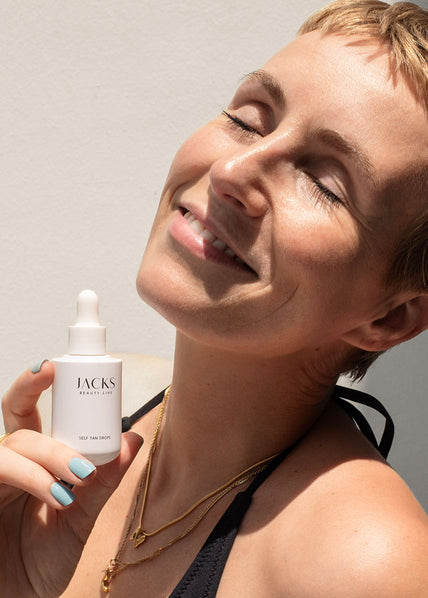
If you want a natural tan without any sun exposure, you can use a self-tanner: JACKS beauty line’s Self Tan Drops can easily be mixed into your existing skincare routine, for example with the Beauty Elixir, and applied evenly. A gentle peel before the application helps ensure an even, streak-free result.
It is also worth taking a lighter approach to Make-up in summer so that the pores are not put under additional strain. You can read about what summer Make-up looks like and how it stays in place even in hot weather in our article on summer Make-up.
Those prone to oily skin benefit from lightweight, non-comedogenic textures and a mattifying sunscreen that reduces shine instead of placing additional strain on the skin. Those with dry skin benefit from moisturizing formulas with hyaluronic acid, combined with a sunscreen that also provides additional hydration. Those prone to sensitive or itchy skin benefit from soothing ingredients such as aloe vera and panthenol, as well as avoiding fragranced or alcohol-based products. Regardless of skin type, one thing applies: consistent sun protection with a sufficient sun protection factor remains the most important step in any summer routine.
The most important points summarized:
Heat, UV radiation, and high humidity put more stress on the skin. Light textures and sun protection protect the skin and prevent impurities.
In summer, a sun protection factor of at least 30 is suitable; for very fair skin or extended periods outdoors, use SPF 50. Broad-spectrum protection against UVA and UVB rays is important.
Reapply sunscreen every two to three hours in summer, especially after sweating or swimming. The sun protection factor wears off throughout the day and without reapplication no longer provides reliable protection.
Heat rash and blemishes in summer are usually caused by increased sebum production in hot weather combined with sweat, which further clogs the pores. Lightweight, non-comedogenic textures and a mattifying sunscreen help prevent this.
After-sun care with aloe vera and panthenol soothes and cools the skin after sunbathing and supports the regeneration of the skin barrier. Stored in the refrigerator, it enhances the cooling effect.
Itching in summer is often caused by the combination of heat, sweat, and an irritated skin barrier. Soothing active ingredients such as aloe vera or panthenol relieve the feeling of tightness; if itching is frequent or severe, it is worth seeking medical advice.
No, the skin needs moisture in summer too. Instead of going without, it’s worth switching from rich creams to lightweight gels, fluids, or serums that nourish the skin without weighing it down.
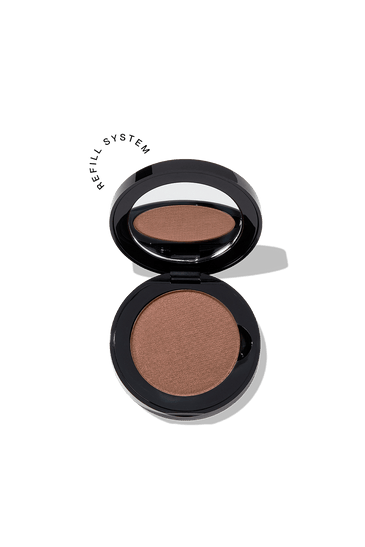
Marlene Lufen loves fine craftsmanship. Whether at home, at work, or when applying Make-up. She has now designed her own Brushes for JACKS: hand-painted in her favorite shade, chocolate brown.
Read more
Look makeup-free even though you’re wearing Make-up: Here’s how to achieve the no-makeup look step by step.
Read more
Why did the new shade expansion take two years? Rim Zemuye explains how foundation, concealer, and Cream Blush for darker skin tones came about.
Read more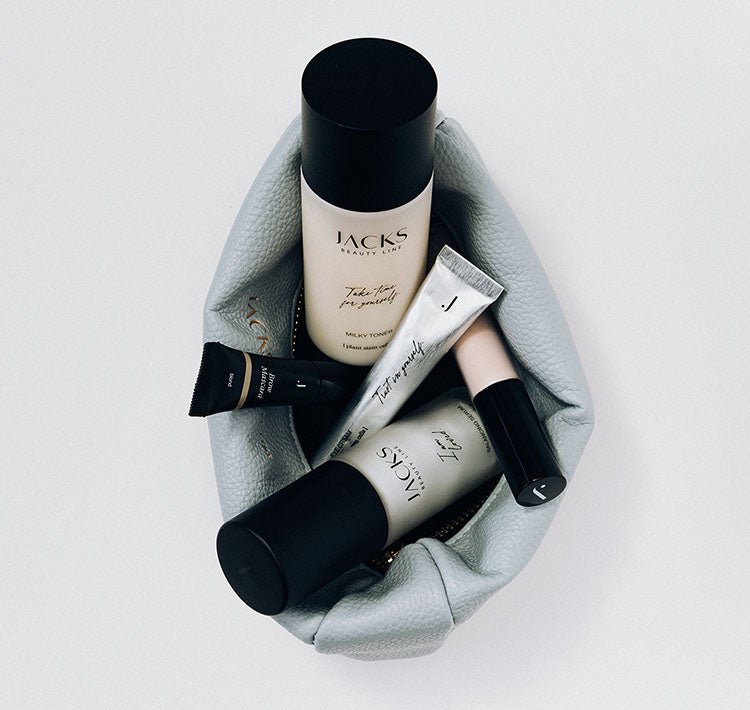
Ordered the wrong shade, and now the product sits unused in your bathroom? It doesn’t have to be that way: our consultation options before and after your purchase help you...
Read more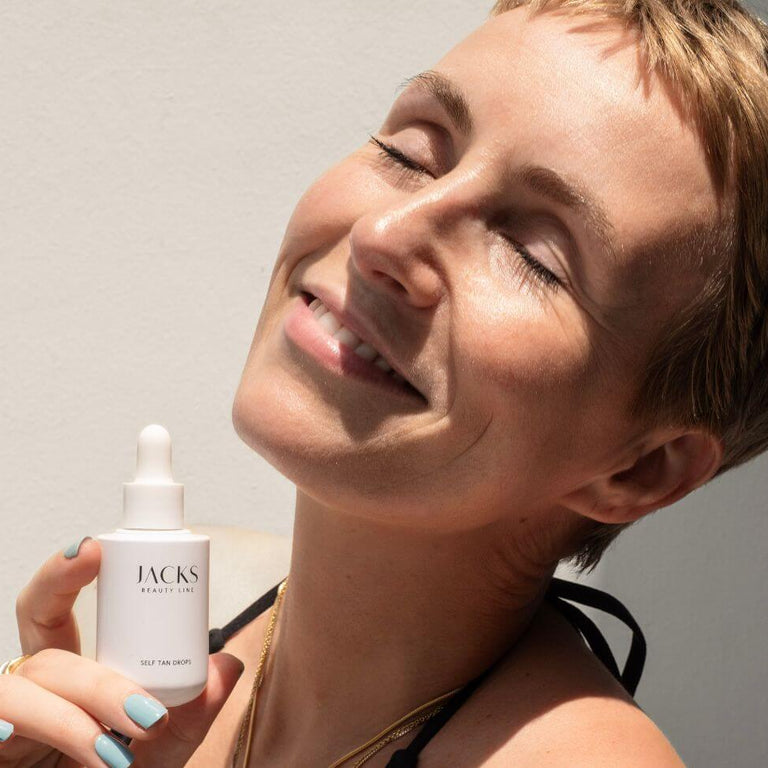
Sun, heat, humidity: In summer, your Make-up needs lightweight textures. Find out how to keep your look fresh even at 30 degrees.
Read more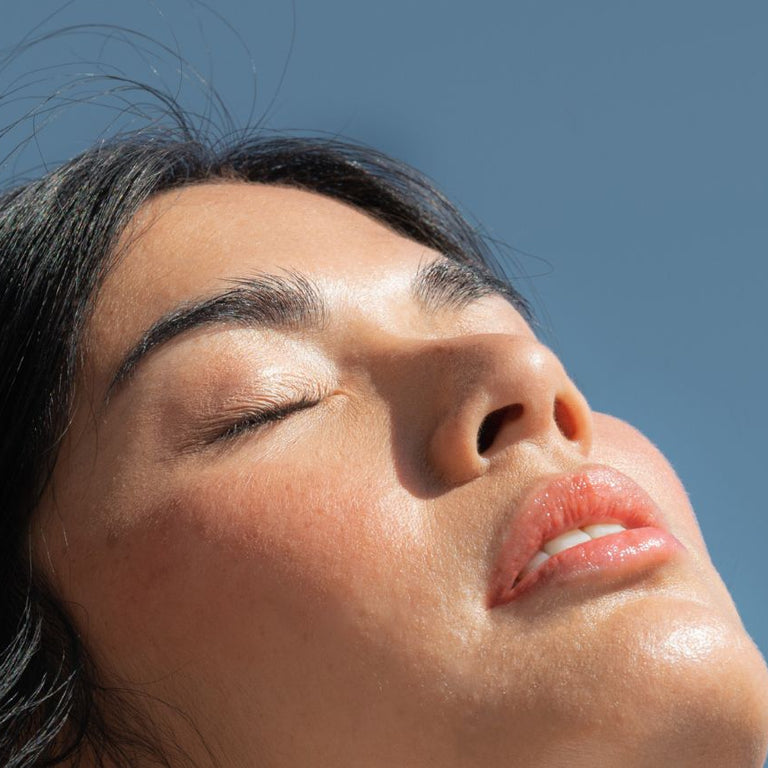
UV rays, heat, and sweat put particular stress on your skin in summer. Here’s how to build the right skincare routine.
Read more
Cream Blush is creamy with a glowy finish, Powder Blush is powdery and long-lasting. Find out which blush suits your skin type and why combining both often delivers the best...
Read more
Discover how to apply mascara correctly! With step-by-step instructions, tips on color, ingredients & removing makeup, you can achieve the perfect eye look without clumping or smudging.
Read more