







The Artist Collection by Marlene Lufen
Marlene Lufen loves fine craftsmanship. Whether at home, at work, or when applying Make-up. She has now designed her own Brushes for JACKS: hand-painted in her favorite shade, chocolate brown.
Read more

Reading time approx. 3-4 min.
Winter presents special challenges for the skin every year. Cold outdoor air, dry indoor heating air, and the constant transition between inside and outside weaken the skin barrier and promote dryness as well as irritation. With a specifically adapted facial care routine in winter, this stress can be effectively countered. Richer textures and moisture-retaining ingredients help to stabilize the skin and strengthen its resilience. This way, the skin remains supple, balanced, and radiant even in the cold season.
by Julia Döll – last updated on 23. February 2026
In winter, the skin reacts more sensitively to external influences. Cold, wind, and dry heating air cause the skin to lose water more quickly and weaken its natural protective function. This is especially visible in red, tight, or flaky areas on the face.
The production of sebum decreases at low temperatures, making the natural fat film thinner. Without sufficient protection, moisture evaporates faster, the skin loses elasticity, and can react more easily with irritation. Frequent temperature changes between warm indoor spaces and frosty outdoor air add additional stress to the skin.
Adapted winter care supports the skin in maintaining its barrier function. Rich creams, moisturizing serums, or nourishing oils help keep the skin supple and protect it from the effects of cold and dry air. This keeps the complexion balanced, reduces irritation, and makes the skin look fresh.
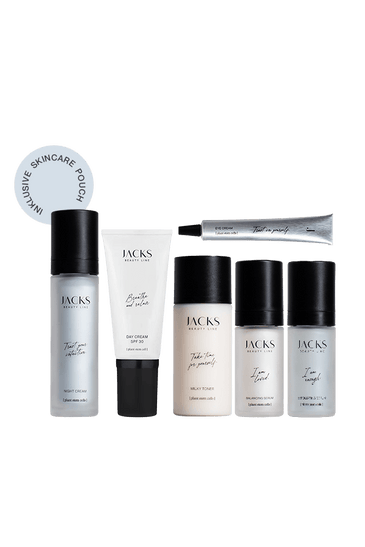
To keep your skin protected and cared for during winter, a coordinated routine is essential. It should provide moisture, strengthen the skin barrier, and specifically protect sensitive areas.
If you're unsure about the ideal order of your skincare products or want to optimize your skincare routine in general, you can find more helpful basics and expert tips in our article on the Skincare Routine.
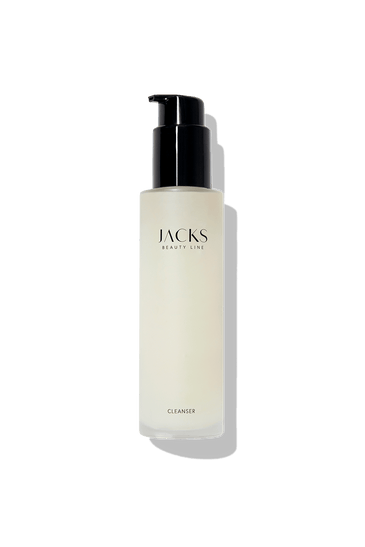
Start the day with a gentle cleanser. Harsh cleansing products strip the skin of additional moisture and weaken the barrier.
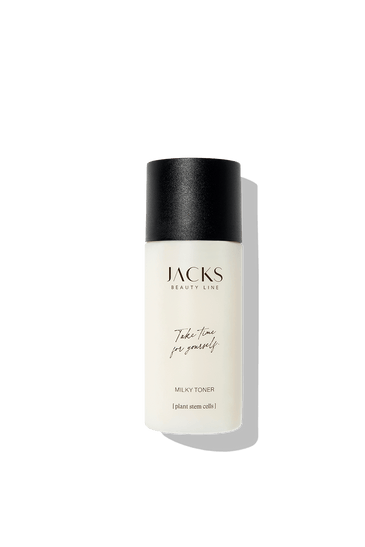
After cleansing, a moisturizing toner is recommended. It balances the skin's pH level, optimally prepares it for the following skincare products, and already gives the skin an initial moisture boost.
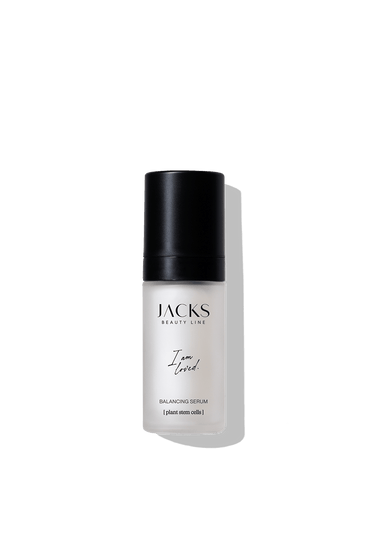
Afterwards, a light serum can be applied that intensely hydrates and balances the skin. Ideally, it supports the skin barrier and ensures that moisture is retained longer.
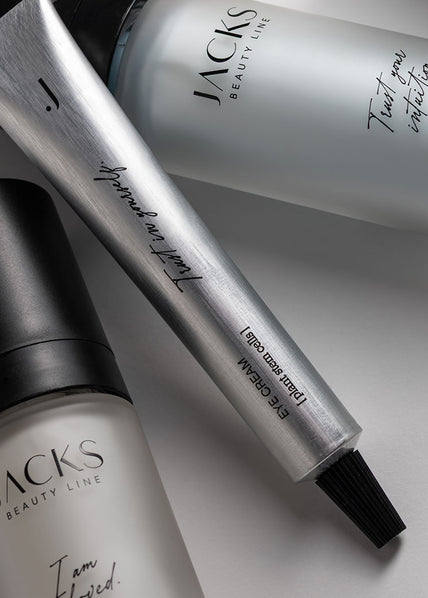
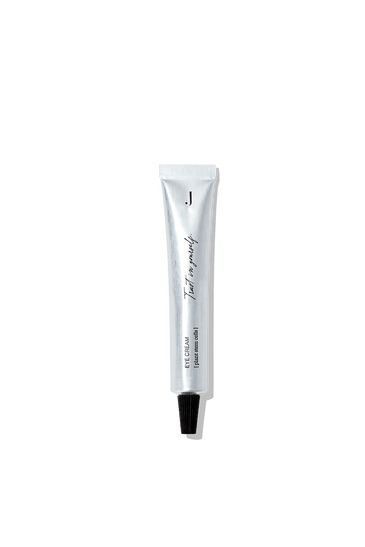
Lips and the eye area are particularly sensitive to cold. A lip balm protects against chapped lips, while a rich eye cream keeps the delicate skin around the eyes smooth.
For winter, a cream that strengthens the skin barrier and reduces moisture loss is advisable. Rich textures supply the skin with lipids and protect against cold and dry heating air.
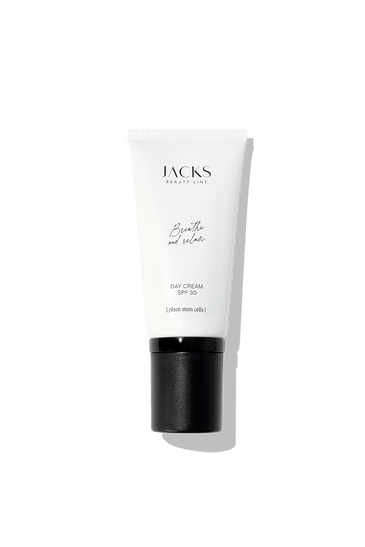
Even in winter, UV rays penetrate through clouds and snow. A light daytime sun protection additionally protects the skin from premature aging and pigmentation spots.
Even when the right routine is known, small mistakes often creep in during winter that unnecessarily stress the skin. Avoiding these can significantly increase the effectiveness of skincare.
In winter, the skin requires special attention to prevent dryness, tightness, and irritation. A coordinated care routine with gentle cleansing, moisturizing toner, balancing serum, and rich cream protects the skin barrier and keeps the skin supple. Sensitive areas like the lips and eyes should be given extra care, and a light sunscreen should not be missing even in the cold season.
Those who avoid common mistakes such as incorrect layering or neglecting UV protection optimally support the skin. This way, the face remains hydrated, resilient, and radiant despite cold, wind, and dry heating air.
Cold weather outside and dry heating air inside deprive the skin of moisture. At the same time, the skin produces less sebum, which weakens its natural protective film.
Ingredients like hyaluronic acid, glycerin, and ceramides provide moisture, while plant oils, shea butter, or squalane strengthen the skin barrier and keep the skin smooth.
A winter cream can provide additional protection for the skin, but it is not a must. Alternatively, the usual care can be adapted to the cold months by layering serums and creams.
Care for your lips regularly with balm creams and protect the eye area with rich creams or oils. Both areas have particularly thin skin and dry out more quickly.
Yes, even at colder temperatures, UV rays penetrate through the cloud cover or reflect off the snow. A light daily sunscreen prevents premature skin aging.
Marlene Lufen loves fine craftsmanship. Whether at home, at work, or when applying Make-up. She has now designed her own Brushes for JACKS: hand-painted in her favorite shade, chocolate brown.
Read more
Look makeup-free even though you’re wearing Make-up: Here’s how to achieve the no-makeup look step by step.
Read more
Why did the new shade expansion take two years? Rim Zemuye explains how foundation, concealer, and Cream Blush for darker skin tones came about.
Read more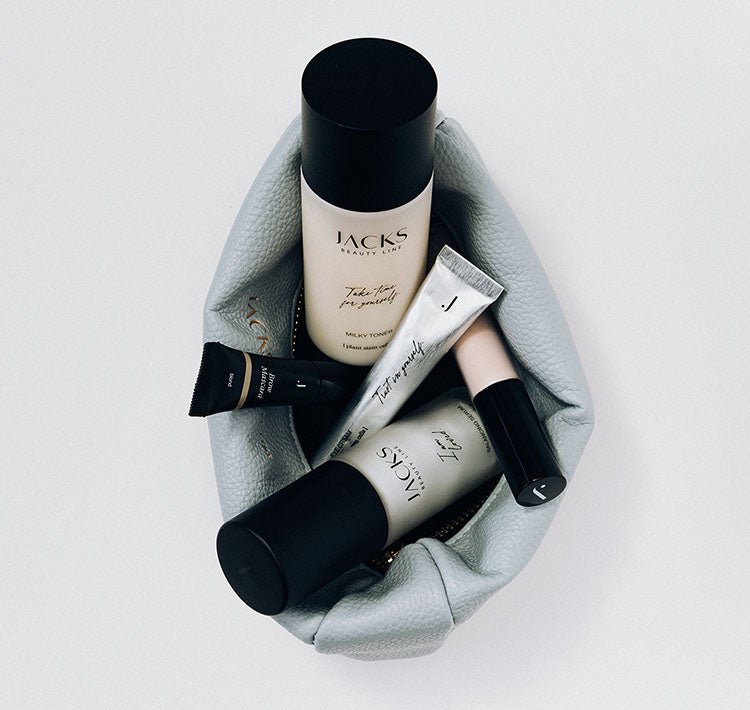
Ordered the wrong shade, and now the product sits unused in your bathroom? It doesn’t have to be that way: our consultation options before and after your purchase help you...
Read more
Sun, heat, humidity: In summer, your Make-up needs lightweight textures. Find out how to keep your look fresh even at 30 degrees.
Read more
UV rays, heat, and sweat put particular stress on your skin in summer. Here’s how to build the right skincare routine.
Read more
Cream Blush is creamy with a glowy finish, Powder Blush is powdery and long-lasting. Find out which blush suits your skin type and why combining both often delivers the best...
Read more
Discover how to apply mascara correctly! With step-by-step instructions, tips on color, ingredients & removing makeup, you can achieve the perfect eye look without clumping or smudging.
Read more